



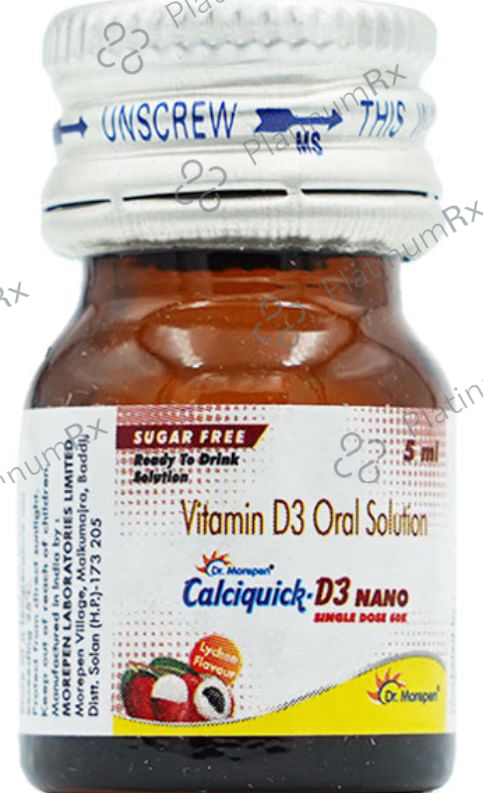
Genevir 0.5mg Tablet 10s

atom-spiralsSalt Composition:Entecavir 0.5mg

Genevir 0.5mg Tablet 10s is a prescription antiviral medicine used to treat chronic hepatitis B, a long-term infection of the liver caused by the hepatitis B virus. Doctors prescribe it for adults and for children aged 2 years and older who have active liver disease. It belongs to a group of medicines called nucleoside analogues. Genevir 0.5mg Tablet 10s lowers the amount of hepatitis B virus in the body, which helps limit further damage to the liver. It is taken by mouth once a day. The same medicine is sold under the brand name Baraclude.
Read more

Written by: Shaik Ashraf Ali, B.pharmacy

Reviewed by: Dr. Jay Faldu, MBBS

Last updated on: 28-09-2026

Same Composition
Same Strength
FDA Approved
Same Composition
Currently Viewing
Genevir 0.5mg Tablet 10s

General Medicine Therapeutics Pvt. Ltd.

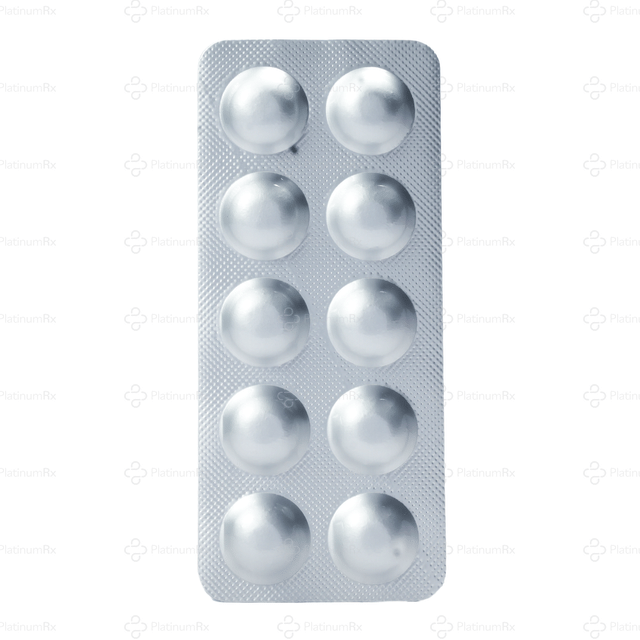
Strip of 10 Tablets

See trusted brand

Top Substitute
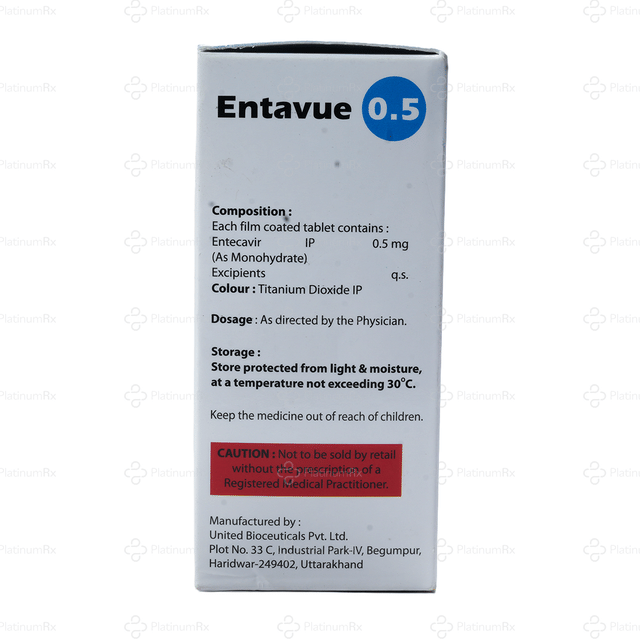
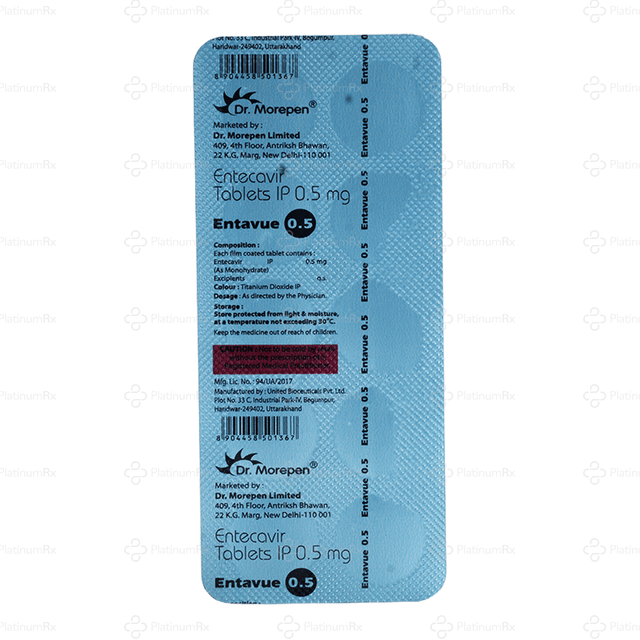
Entavue 0.5mg Tablet 10s

Dr. Morepen Ltd.

Strip of 10 tablets
3.5K Bought this instead

Delivery by

...

FDA & GMP Certified

Long Expiry (>8 Months)

15 Days Easy Returns

Medicine Comparison

100% Exact Salt Match
Genevir 0.5mg Tablet 10s
Entavue 0.5mg Tablet 10s
General Medicine Therapeutics Pvt. Ltd.
NPPA Approved
FDA Approved
FDA Approved
₹4 / Unit
₹6 / Unit

Have a question?

Doctor Approved & Trusted
thumbnail

Genuine Medicine

Pay On Delivery

Secure Payment

LegitScript Certified

LegitScript Certified Online Pharmacy

More About Genevir 0.5mg Tablet 10s

Detailed Description

Genevir 0.5mg Tablet 10s treats chronic hepatitis B, which means the virus has stayed in the body for more than six months and is still active in the liver. The label describes its use in adults who have signs that the virus is still multiplying together with raised liver enzymes or other evidence of active liver disease. It is also used in adults whose liver is badly damaged and no longer working properly, a stage called decompensated liver disease. Children aged 2 years and older may take it if their liver is still working well.

The medicine comes as tablets in two strengths and as a liquid measured with a dosing spoon, which is used for children and for adults who need a smaller dose.

Genevir 0.5mg Tablet 10s is swallowed once a day. It enters the liver cells and blocks a viral enzyme that the hepatitis B virus needs in order to copy itself. The virus then multiplies far more slowly, so inflammation in the liver often settles over months of treatment.

Treatment is usually long term, and only your doctor can decide when it might be stopped. Regular blood tests show how much virus remains and how well the liver is coping.

The label carries a serious warning about stopping suddenly. Liver inflammation can flare and become severe within months of the last dose, so the medicine is stopped only under medical supervision, with blood tests for several months afterwards. Another warning concerns lactic acidosis, a rare but life-threatening build-up of acid in the blood, and liver swelling with fat deposits.

Genevir 0.5mg Tablet 10s is not a complete answer to hepatitis B. It reduces the virus but does not clear it from the body, and it may not prevent long-term complications such as liver scarring or liver cancer. Nor does it stop the virus passing to other people. The World Health Organization notes that antiviral treatment can slow the advance of liver scarring, reduce cases of liver cancer, and improve long-term survival, and that most people who start treatment must continue it for life.

Uses of Genevir 0.5mg Tablet 10s

Genevir 0.5mg Tablet 10s is used to treat chronic hepatitis B, a long-term infection in which the hepatitis B virus stays in the body and keeps damaging the liver. The label describes its use in people who have evidence that the virus is still multiplying, together with other signs that the liver is affected.

Adults with active viral replication and active liver disease

  • For adults who have signs that the virus is still copying itself, along with either persistent rises in liver enzymes (ALT or AST) or liver tissue that looks active under a microscope, which doctors call histologically active disease.

Adults with decompensated liver disease

  • For adults whose liver is badly damaged and no longer working properly (decompensated liver disease). These patients are treated under close medical supervision.

Children aged 2 years and older

  • For children aged 2 years and older who have compensated liver disease, which means their liver is still working well. The dose is worked out from the child's body weight.

Benefits of Genevir 0.5mg Tablet 10s

  1. Attacks the virus at its copying step - Genevir 0.5mg Tablet 10s blocks the viral enzyme that hepatitis B virus uses to copy its genetic material, so the virus multiplies far more slowly.
  2. One dose a day - A single daily dose is easier to keep to than a medicine taken several times a day.
  3. An option when lamivudine stops working - For people whose infection no longer responds to lamivudine, a higher daily dose is available.
  4. Usable in more advanced liver disease - It is used in adults with decompensated liver disease, under close medical supervision.
  5. A liquid form - An oral solution is available for children and for adults who need small doses because of kidney problems.
  6. No dose change for liver problems - The label states that liver impairment does not call for a dose adjustment.
  7. Resistance is uncommon in people new to treatment - Resistance has been reported mainly in people whose infection was already resistant to lamivudine, which is why the label uses a higher dose for them.

Side Effects of Genevir 0.5mg Tablet 10s

Most people who take Genevir 0.5mg Tablet 10s do not have serious problems, but side effects can happen. The label groups them by how urgent they are.

Common Side Effects (Usually Mild and may lessen with continued use)

The most common effects reported with Genevir 0.5mg Tablet 10s are headache, tiredness, dizziness and nausea. The European public assessment report gives rates of about 9 in 100 for headache, 6 in 100 for tiredness, 4 in 100 for dizziness and 3 in 100 for nausea.

  • In children, stomach pain, diarrhoea, vomiting, rash, and an unusual taste in the mouth have also been reported
  • Blood tests may show raised liver enzymes, raised lipase, raised bilirubin, or sugar and blood in the urine

Serious Side Effects (Seek Urgent Medical Attention)

  • Lactic acidosis - a build-up of acid in the blood, which is a medical emergency and can be fatal. It has been reported with medicines in the nucleoside analogue group, including Genevir 0.5mg Tablet 10s, mostly in people who were already very ill with liver disease or another serious condition. The risk may be higher in women, in people who are very overweight, and in people who have taken this type of medicine for a long time. Get medical help straight away for severe weakness or tiredness, unusual muscle pain, trouble breathing, stomach pain with nausea and vomiting, feeling cold in the arms and legs, dizziness or light-headedness, or a fast or irregular heartbeat.
  • Severe liver problems - hepatitis B can flare badly after Genevir 0.5mg Tablet 10s is stopped, and in some people a flare happens during treatment. The label also warns about hepatomegaly with steatosis, which means a swollen liver with fat deposits inside it, and this is an emergency too. Watch for yellowing of the skin or the whites of the eyes, dark urine, pale stools, loss of appetite lasting several days, nausea, or pain in the lower part of the stomach.
  • Serious allergic reaction - anaphylactoid reactions have been reported after the medicine came to market. Get help for a spreading rash, swelling of the face, lips, or tongue, or difficulty breathing.
  • Other problems reported after marketing - increased liver enzymes, hair loss, and rash.

Directions for Use

Take Genevir 0.5mg Tablet 10s exactly as your doctor prescribes. The points below come from the medicine's label and patient information, plus general safe-use advice.

  • Timing - Take your dose on an empty stomach, at least 2 hours after a meal and at least 2 hours before the next meal.
  • Same time each day - Choose a time that fits your routine and keep to it. Steady timing keeps a steady amount of medicine in your body, and missed doses can let the virus become resistant to treatment.
  • Swallow whole - Swallow the tablet whole with a glass of plain water. Do not crush, chew, split, or break it.
  • The oral solution - If you are given the liquid, use the dosing spoon supplied. Hold the spoon upright, fill it slowly up to the mark your doctor prescribed, and rinse it with water after each dose.
  • Never double up - If a dose is missed, do not take two doses later to make up for it.
  • Do not stop on your own - Continue for as long as your doctor has planned. Stopping suddenly can cause the hepatitis to flare up. Speak to your doctor before any change.
  • Do not run out - Ask for a refill before your supply ends. Missing many doses gives the virus a chance to become resistant.
  • Water, not other drinks - Plain water is the safest choice for swallowing the tablet.

How it works

Genevir 0.5mg Tablet 10s is a nucleoside analogue, which means it is a laboratory-made version of one of the natural building blocks the hepatitis B virus uses to build its genetic material. It is described in the label as a guanosine nucleoside analogue with selective activity against hepatitis B virus. The medicine is taken up by liver cells and changed inside them into its active form.

Once activated, Genevir 0.5mg Tablet 10s competes with the virus's own building block, deoxyguanosine triphosphate, for a place on a viral enzyme called HBV reverse transcriptase, also known as HBV DNA polymerase. In plain terms, this enzyme is the virus's copying machine. When the medicine occupies it, the virus cannot reproduce.

The label describes three separate steps that Genevir 0.5mg Tablet 10s blocks: starting the viral DNA chain, copying the first strand of viral DNA, and building the second strand. Because all three are interrupted, the virus cannot finish its genetic material, and it cannot go on to infect new liver cells.

The active form of the medicine stays inside cells for a long time, with an intracellular half-life of about 15 hours, which is why one dose a day is enough. Genevir 0.5mg Tablet 10s is only a weak inhibitor of human DNA polymerases, including the polymerase found in mitochondria, the energy-producing parts of our cells.

Safety Advice for Genevir 0.5mg Tablet 10s

icon
Pregnancy
Limited information

The label states that there are not enough data from pregnant women to judge the risk to an unborn baby. A pregnancy exposure registry collects information on outcomes, and the label cites background rates in the general population of 2.7 in 100 for major birth defects and 15 to 20 in 100 for miscarriage. Animal studies did not show harm to the developing baby at exposures similar to those used in people. The label does not instruct people taking Genevir 0.5mg Tablet 10s to use contraception. If you are pregnant, planning a pregnancy, or become pregnant during treatment, tell your doctor so the benefits and risks can be discussed.

icon
Breastfeeding
Limited information

It is not known whether Genevir 0.5mg Tablet 10s passes into human breast milk, what effect it might have on the baby, or whether it affects milk production. In rats, the medicine was found in milk. The label advises weighing the benefits of breastfeeding against the mother's need for treatment and the possible effects on the baby. Patient information from the U.S. National Library of Medicine advises not breastfeeding while taking it.

icon
Alcohol
Limited information

The label does not list alcohol as a specific interaction with Genevir 0.5mg Tablet 10s. Because the medicine is used to protect a liver that is already infected, ask your doctor whether you should avoid alcohol.

icon
Driving
Limited information

Dizziness and tiredness are reported side effects. Do not drive or operate machinery if you feel dizzy or unusually tired.

icon
Kidney
Limited information

Genevir 0.5mg Tablet 10s leaves the body mainly through the kidneys, so kidney function matters. If creatinine clearance is below 50 mL per minute, the label advises changing the dose or how often it is taken, and using the oral solution for amounts smaller than 0.5 mg. People on haemodialysis or peritoneal dialysis follow a specific schedule, and on dialysis days the dose is given after the session. Tell your doctor about any kidney problem or dialysis.

icon
Liver
Limited information

Liver impairment does not call for a dose change. People with decompensated liver disease take a higher daily dose and may be at greater risk of lactic acidosis. In decompensated disease, the European product information states that stopping treatment is not recommended.

icon
Children
Limited information

Genevir 0.5mg Tablet 10s is used in children aged 2 years and older who have compensated liver disease. The dose is based on body weight, and the oral solution is used for smaller children. The medicine has not been studied in children younger than 2 years.

icon
Elderly patients
Limited information

The dose is decided by kidney function rather than by age. Because kidney function tends to fall with age, older people may need blood tests to check how well their kidneys are working before and during treatment.

Quick Tips for Genevir 0.5mg Tablet 10s

  • Take your dose at the same time every day, on an empty stomach.
  • Swallow the tablet whole with plain water, and never crush or chew it.
  • Use the dosing spoon supplied with the liquid, and rinse it after each dose.
  • Refill before your supply runs low so you never miss doses.
  • Set a daily reminder on your phone if you are likely to forget.
  • Keep every blood test appointment, including the tests after treatment ends.
  • Report muscle pain, trouble breathing, cold arms and legs, or a fast heartbeat immediately.
  • Tell your doctor, dentist, or surgeon that you take Genevir 0.5mg Tablet 10s before any procedure.
  • Tell your doctor at once if you become pregnant or plan to breastfeed.
  • Never share your medicine with anyone else.

Storage Advice

  • Store at 25°C (77°F). Short exposure between 15°C and 30°C (59°F and 86°F) is permitted.
  • Keep the tablets or liquid in the original carton to protect them from light.
  • Keep the container tightly closed and away from moisture. Do not store it in a bathroom or beside a kitchen sink.
  • Patient information from the U.S. National Library of Medicine advises keeping it at room temperature, away from excess heat, light, and moisture.
  • Keep all medicines out of the reach of children and pets.
  • Do not use the medicine after the expiry date printed on the pack.
  • Do not flush unused tablets down the toilet. Return them to a pharmacy take-back programme.
  • The oral solution may be used until the bottle's expiry date once the bottle has been opened.

Drug-Food Interaction

  • Empty stomach rule - The label directs that Genevir 0.5mg Tablet 10s be taken at least 2 hours after a meal and at least 2 hours before the next meal. Food slows the absorption of the medicine.
  • Fatty meals - In studies, a standard high-fat meal lowered the peak level of the medicine in the blood by about 44 to 46 in 100 and the total amount absorbed by about 18 to 20 in 100, which is why the timing gap matters.
  • No listed drink restrictions - The label does not list grapefruit, caffeine, or dairy as problems with Genevir 0.5mg Tablet 10s. Plain water is the best choice for swallowing the tablet.
  • Alcohol - Alcohol is not listed as a specific interaction, but ask your doctor for advice, because the liver is already under strain from the infection.

Interactions with Other Drugs

  • Medicines that affect the kidneys - Genevir 0.5mg Tablet 10s is cleared from the body mainly by the kidneys. Medicines that reduce kidney function, or that use the same kidney transport pathways, can raise the level of Genevir 0.5mg Tablet 10s or of the other medicine in the blood. Closer monitoring is advised when they are taken together.
  • Other hepatitis B antivirals - No significant interactions were seen when Genevir 0.5mg Tablet 10s was given with lamivudine, adefovir dipivoxil, or tenofovir disoproxil fumarate.
  • Liver enzyme pathways - Genevir 0.5mg Tablet 10s is not a substrate, inhibitor, or inducer of the cytochrome P450 family of liver enzymes, so it does not change how the liver processes many other medicines.
  • HIV medicines - In people who have both HIV and hepatitis B, Genevir 0.5mg Tablet 10s is not recommended unless HIV treatment is also being taken. Using it alone can allow HIV to become resistant to some HIV medicines.
  • Always declare everything - Tell your doctor and pharmacist about every prescription medicine, over-the-counter product, vitamin, supplement, and herbal product you take, including anything started while you are on treatment.

Drug-Disease Interactions

  • HIV and hepatitis B together - Genevir 0.5mg Tablet 10s is not recommended for people with untreated HIV infection. An HIV test is offered before treatment begins, and again if there is any possible exposure, because HIV can become resistant to some medicines if it is treated with Genevir 0.5mg Tablet 10s alone.
  • Kidney disease - A dose or schedule change is needed when creatinine clearance is below 50 mL per minute, including for people on haemodialysis or peritoneal dialysis.
  • Decompensated liver disease - People whose liver is badly damaged take a higher daily dose, are at greater risk of lactic acidosis, and the European product information states that stopping treatment is not recommended for them.
  • Previous lamivudine or telbivudine treatment - People whose infection is already resistant to these medicines need a higher dose, and resistance to Genevir 0.5mg Tablet 10s is more likely in them.
  • Pregnancy and breastfeeding - Tell your doctor if you are pregnant, planning a pregnancy, or breastfeeding.
  • A history of liver transplant - Tell your doctor if you have had a liver transplant or any other major surgery.
  • Lactic acidosis risk factors - Being female, being very overweight, and long-term use of nucleoside analogue medicines may raise the risk of lactic acidosis.

Daily Dose

The label states the following for adults:

  • 0.5 mg once a day for adults with compensated liver disease who have not taken a nucleoside analogue such as lamivudine before.
  • 1 mg once a day for adults whose infection is resistant to lamivudine or telbivudine, and for adults with decompensated liver disease.

For children aged 2 years and older, the dose is based on body weight and is usually given as the oral solution.

The label does not describe more than one dose in 24 hours. Your own dose is the one your doctor has prescribed, which may differ if your kidneys do not work normally. Never change your dose and never take an extra dose without asking your doctor first.

Overdose

Experience with overdose in people is limited. In studies, single doses up to 40 mg and repeated doses up to 20 mg a day for 14 days did not cause unexpected problems. If an overdose happens, the label says the person must be watched for signs of toxicity and given standard supportive treatment as needed. A 4-hour haemodialysis session removed about 13 in 100 of a 1 mg dose, so dialysis may be used in serious cases. If you think someone has taken too much Genevir 0.5mg Tablet 10s, contact your doctor or the nearest hospital emergency department straight away, and take the pack with you.

What If You Forget to take Genevir 0.5mg Tablet 10s?

  • Take the missed dose as soon as you remember.
  • If it is almost time for your next dose, skip the missed dose and take the next one at your usual time.
  • Never take two doses together to catch up.
  • Take the next dose at your normal time, on an empty stomach.
  • If you miss doses often, tell your doctor or pharmacist, because the virus can become resistant when doses are missed.
  • Never stop the medicine because you have missed a few doses.

When to contact doctor

Get emergency medical help straight away for:

  • Yellowing of the skin or the whites of the eyes
  • Dark urine or pale stools
  • Loss of appetite lasting several days, nausea, or pain in the lower part of the stomach
  • Severe weakness or tiredness, or unusual muscle pain
  • Trouble breathing, or stomach pain with vomiting
  • Feeling cold in the arms and legs, dizziness or light-headedness, or a fast or irregular heartbeat
  • A spreading rash, swelling of the face, lips, or tongue, or difficulty breathing

Contact your doctor soon if:

  • You feel dizzy or unusually tired
  • You become pregnant, plan a pregnancy, or plan to breastfeed
  • You have a kidney problem or start dialysis
  • You want to stop the medicine for any reason
  • You have missed several doses
  • You have been given a new medicine or start any supplement

FAQ

Fact Box

Therapeutic Class

Antiviral medicine for chronic hepatitis B

Action Class

Nucleoside analogue; hepatitis B virus reverse transcriptase (DNA polymerase) inhibitor

Chemical Class

Guanosine nucleoside analogue

Habit Forming

No

Disclaimer

PlatinumRx is committed to providing reliable and accurate information to support informed customer decisions. However, all information made available on the Platform, including product descriptions, comparisons, and other content, is provided solely for general informational purposes. Such information is not intended to diagnose, prevent, treat, or cure any medical condition, nor should it be relied upon as a substitute for professional medical advice, diagnosis, or treatment.

View More
editorial-png
Authentic & trustworthy information
Having issues with the content?
Report Error

Customers also bought