More About Pyridostigmine
Quick Summary
Pyridostigmine (also called pyridostigmine bromide) is a prescription medicine used to treat myasthenia gravis. Myasthenia gravis is a long-term condition in which the body's immune system disturbs the signals between nerves and muscles, leading to muscle weakness and tiredness. Pyridostigmine belongs to a group of medicines called cholinesterase inhibitors (anticholinesterases). It helps nerve signals reach the muscles more strongly, which can improve muscle strength. It eases the symptoms of myasthenia gravis rather than removing the underlying condition. It is available as regular tablets, extended-release tablets and an oral liquid, and it is taken only as directed by a doctor.
Detailed Description
Pyridostigmine is used for the symptomatic treatment of myasthenia gravis. This is a long-term autoimmune condition, meaning the body's own immune system causes the problem, and it leads to muscle weakness and tiredness. The trouble lies at the point where a nerve meets a muscle, called the neuromuscular junction.
Nerves send messages to muscles using a natural chemical messenger called acetylcholine. An enzyme called cholinesterase normally breaks down acetylcholine once the message is sent. Pyridostigmine slows down this enzyme. This lets acetylcholine last longer and build up at the nerve-muscle junction, so nerve signals pass across more freely and muscles can contract better.
Compared with neostigmine, an older medicine from the same group, Pyridostigmine has a longer duration of action and fewer stomach and bowel side effects. It works quickly, usually within about 30 minutes, and each dose of the regular tablet lasts for up to about four hours. For this reason, the regular tablets are often taken several times across the day. An extended-release tablet (180 mg) releases the medicine slowly. Its immediate effect is similar to one 60 mg regular tablet, but its effect lasts on average two and a half times longer. Some people use both forms together, as decided by their doctor.
Pyridostigmine needs careful medical supervision. Too little may leave muscles weak, but too much can also cause weakness. Taking more than needed can lead to a dangerous state called cholinergic crisis, in which muscle weakness increases and can affect the breathing muscles. A worsening of myasthenia gravis itself (myasthenic crisis) can look very similar. Because the two need very different treatment, any sudden increase in weakness needs urgent medical review.
Pyridostigmine leaves the body mainly through the kidneys, largely unchanged. People with kidney disease may need lower doses, which only a doctor can decide.
Uses of Pyridostigmine
Myasthenia gravis
Pyridostigmine is used to ease the muscle weakness and tiredness caused by myasthenia gravis, a long-term autoimmune condition in which signals between nerves and muscles do not pass across well. It is usually the first medicine used for this condition, and for some people it may be the only medicine needed to manage their symptoms. It treats the symptoms rather than the underlying condition, and its effect lasts only a few hours, so it is taken several times a day.
Benefits of Pyridostigmine
- Improves muscle strength in myasthenia gravis - Pyridostigmine helps nerve messages reach muscles more strongly, which can ease the muscle weakness and tiredness caused by myasthenia gravis.
- Works quickly - The effect of a regular tablet usually begins within about 30 minutes, so doses can be timed around daily activities.
- Longer action than neostigmine - Pyridostigmine lasts longer and causes fewer stomach and bowel side effects than neostigmine, an older medicine from the same group.
- Flexible forms - Regular tablets, extended-release tablets and an oral liquid allow the doctor to match treatment to each person's needs, including people who find swallowing difficult.
- Longer cover with extended-release tablets - The extended-release tablet lasts on average two and a half times longer than a regular tablet, so fewer doses may be needed during the day.
Side Effects of Pyridostigmine
Most side effects of Pyridostigmine come from the extra acetylcholine it allows to build up in the body. They are more likely when the dose is higher than the body needs.
Common Side Effects (Usually Mild)
- Nausea and vomiting
- Diarrhoea
- Stomach cramps, stomach pain or bloating
- Increased saliva or drooling
- Increased sweating or cold sweats
- Blurred vision or small pupils
- Passing urine more often
- Muscle cramps or twitching
Serious Side Effects (Seek Urgent Medical Attention)
- Cholinergic crisis - This is a serious reaction caused by too much Pyridostigmine. Muscle weakness gets steadily worse and can affect the muscles used for breathing, which can be life-threatening. Signs may include increasing weakness, heavy sweating, a lot of saliva, severe stomach cramps, diarrhoea and difficulty breathing.
- Difficulty breathing, chest tightness, or worsening asthma or bronchitis
- Slow heartbeat
- Slurred speech or confusion
- Seizures
- Severe itching, skin rash or hives. Because Pyridostigmine contains bromide, a skin rash can occasionally occur.
Directions for Use
- Take Pyridostigmine exactly as your doctor has prescribed. Do not take more or less of it, or take it more often, than prescribed.
- Swallow the tablets whole with a little water or other liquid. They can be taken with or without food.
- Extended-release tablets must always be swallowed whole. Do not chew, crush or break them.
- If you have difficulty swallowing, speak to your doctor or pharmacist before splitting or crushing a regular tablet. Some regular tablets can be halved or crushed on medical advice, but this does not apply to extended-release tablets.
- If you use the oral liquid, measure each dose with the measuring device provided, not a kitchen spoon.
- Keep to the dosing times your doctor sets. Regular tablets are usually spread through the day, often every three to four hours, so that muscle strength is supported when you need it most.
- Extended-release tablets should be spaced at least 6 hours apart.
- Follow your normal diet unless your doctor tells you otherwise.
- Myasthenia gravis is a long-term condition. Continue taking Pyridostigmine for as long as your doctor advises, and do not stop or change your dose on your own.
How it works
To make a muscle move, a nerve releases a chemical messenger called acetylcholine. Acetylcholine crosses a tiny gap at the nerve-muscle junction and switches on the muscle. Straight after, an enzyme called cholinesterase breaks acetylcholine down so the signal stops.
In myasthenia gravis, an autoimmune condition, the signal between nerve and muscle does not pass across well, so muscles become weak and tired.
Pyridostigmine is a reversible cholinesterase inhibitor. "Inhibitor" means it blocks the enzyme, and "reversible" means the block wears off over time rather than lasting permanently. By slowing the breakdown of acetylcholine, Pyridostigmine lets more of the messenger stay at the junction for longer. This helps nerve impulses pass across more freely, so the muscle responds better.
The same extra acetylcholine also acts on other body parts controlled by this messenger, such as the gut, sweat glands, saliva glands, airways and eyes. This explains side effects such as stomach cramps, diarrhoea, sweating, drooling and small pupils (called muscarinic effects), and muscle twitching and cramps (called nicotinic effects).
Pyridostigmine is poorly absorbed from the gut, with only about 10% to 20% of a dose reaching the bloodstream. Its half-life, the time it takes for the level in the blood to fall by half, is about 3 hours. It is removed from the body in the urine, both unchanged and as broken-down products.
Safety Advice for Pyridostigmine

Pregnancy
Limited information
The safety of Pyridostigmine in human pregnancy has not been proven, and animal studies have shown effects on development. Tell your doctor if you are pregnant or planning a pregnancy, and call your doctor if you become pregnant while taking it. Do not stop treatment on your own.

Breastfeeding
Limited information
Pyridostigmine passes into breast milk in very small amounts, and in limited reports it was not found in the blood of breastfed babies. Tell your doctor if you are breastfeeding so the benefits and risks can be discussed.

Alcohol
Limited information
The oral liquid form of Pyridostigmine can contain a small amount of alcohol. Ask your doctor whether drinking alcohol is suitable for you while on treatment.

Driving
Limited information
Pyridostigmine can cause blurred vision and muscle weakness in some people. Do not drive or use machines if you notice these effects.

Kidney
Limited information
Pyridostigmine is removed mainly by the kidneys. In people with kidney disease, the medicine can build up and the risk of side effects may be greater, so lower doses may be needed. Tell your doctor if you have kidney problems.

Liver
Limited information
There is limited information on the use of Pyridostigmine in liver disease. It is removed from the body mainly by the kidneys. Tell your doctor if you have liver disease before starting Pyridostigmine.

Children
Limited information
The safety and effectiveness of Pyridostigmine in children have not been proven in formal studies. Use in children only under a specialist's care.

Elderly patients
Limited information
Older adults are more likely to have reduced kidney, liver or heart function, so doctors usually choose doses carefully. Report any slow heartbeat or worsening weakness.

Allergy
Limited information
Do not take Pyridostigmine if you are allergic to it or to other anticholinesterase medicines. Tell your doctor if you are sensitive to bromide.
Quick Tips for Pyridostigmine
- Take Pyridostigmine at the times your doctor has set, spaced to give the most strength when you need it.
- Swallow extended-release tablets whole and never crush or chew them.
- Do not take extra doses if your weakness gets worse. More medicine can also cause weakness, so contact your doctor instead.
- Learn the warning signs of both cholinergic crisis and myasthenic crisis, and share them with family or carers.
- Tell your doctor about all other medicines, including fibre supplements that contain methylcellulose, which can block absorption of Pyridostigmine.
- Tell your surgeon and anaesthetist that you take Pyridostigmine before any operation.
- Keep a written list of all your medicines and carry it with you, and tell any doctor or dentist that you take Pyridostigmine.
- Keep all follow-up appointments, and do not share your medicine with anyone else.
- If extended-release tablets look slightly spotted or mottled, this is caused by moisture and does not affect how well they work.
Storage Advice
- Store Pyridostigmine tablets and oral liquid at 25°C (77°F), with short periods between 15°C and 30°C (59°F and 86°F) allowed.
- Keep the medicine in its original container or package, tightly closed, to protect it from light and moisture.
- Keep away from excess heat, such as a hot car or a window sill in direct sun.
- Keep out of the sight and reach of children and pets.
- Always follow the storage directions printed on your pack.
Drug-Food Interaction
- Pyridostigmine can be taken with or without food, and no special diet is needed unless your doctor advises one.
- Methylcellulose, a fibre used in some bulk-forming laxatives and fibre supplements, can completely block the absorption of Pyridostigmine. Check with your doctor or pharmacist before using any fibre supplement.
- The oral liquid form can contain a small amount of alcohol, so ask your doctor about drinking alcohol during treatment.
Interactions with Other Drugs
- Atropine and other anticholinergic medicines (medicines that block the action of acetylcholine) - These block many of the effects of Pyridostigmine. Doctors sometimes use atropine to reduce stomach side effects, but this can hide the early warning signs of overdose and lead to cholinergic crisis without being noticed.
- Muscle relaxants used during surgery - Pyridostigmine can make succinylcholine (a fast-acting muscle relaxant used during surgery) act more strongly. Doses of other muscle relaxants used during surgery, such as pancuronium, may need to be increased. Always tell the anaesthetist you take Pyridostigmine.
- Aminoglycoside antibiotics (such as gentamicin), local and some general anaesthetics, and medicines for irregular heartbeat - These can interfere with nerve-muscle signals and should be used cautiously, if at all, with Pyridostigmine.
- Beta blockers - The label advises caution when Pyridostigmine is used by people taking these heart and blood pressure medicines, as it does for people with a slow heartbeat.
- Opioid (narcotic) painkillers - These may make a slow heartbeat worse.
- Mefloquine (a malaria medicine) - This may add to the effect of Pyridostigmine on the gut and heart rate.
- Other cholinesterase inhibitors, including some glaucoma eye drops - These can add to the effects of Pyridostigmine.
- Dexpanthenol (a medicine the body converts to pantothenic acid) - This can add to the effects of Pyridostigmine.
- Methylcellulose - This can completely block the absorption of Pyridostigmine.
Tell your doctor about all prescription and non-prescription medicines, vitamins and herbal products you use.
Drug-Disease Interactions
- Blockage of the bowel or bladder - Pyridostigmine should not be used by people with a physical blockage of the intestine or urinary tract, because it increases bowel and bladder activity.
- Asthma and chronic obstructive pulmonary disease (COPD, a long-term lung disease that makes breathing difficult) - Pyridostigmine can increase mucus in the airways and may worsen breathing problems. Particular caution is needed.
- Slow heartbeat (bradycardia) or irregular heartbeat - Pyridostigmine can slow the heart further. Tell your doctor about any heart condition.
- Kidney disease - Because the kidneys clear Pyridostigmine, the medicine can build up and lower doses may be needed.
- Allergy to bromide or to other anticholinesterase medicines - People who are allergic to Pyridostigmine or similar medicines should not take it, and those sensitive to bromide need caution.
Daily Dose
The dose of Pyridostigmine is set by a doctor for each person, based on how severe the myasthenia gravis is and how the body responds. The information below describes what the product label reports and is not a guide to self-dosing. These strengths come from US product labels, and the forms and strengths available in India may differ.
- Regular tablets (60 mg) and oral liquid (60 mg per 5 mL) - The label states that the average total is ten 60 mg tablets or ten 5 mL spoonfuls a day, spread through the day. It notes that mild cases may need one to six a day, while severe cases may need as many as 25 a day.
- Extended-release tablets (180 mg) - The label states that one to three tablets, once or twice a day, are usually enough, with at least 6 hours between doses. Some people also use regular tablets or the liquid alongside them.
- People with kidney disease may need lower doses.
Always follow the exact dose and timing prescribed by your doctor. Do not change your dose, even if your weakness changes, without speaking to your doctor first.
Overdose
Taking too much Pyridostigmine can cause cholinergic crisis. Signs can include:
- Increasing muscle weakness, including weakness of the breathing muscles
- Difficulty breathing
- Heavy sweating, drooling and increased mucus
- Nausea, vomiting, stomach cramps and diarrhoea
- Small pupils and blurred vision
- Muscle twitching and cramps
- Slow heartbeat
- At high doses, agitation, confusion or seeing things that are not there
An overdose is a medical emergency. Call for emergency help or go to the nearest hospital straight away, and take the medicine pack with you. In hospital, doctors support breathing and may give atropine to control some of the effects. Atropine does not reverse the muscle weakness, so breathing support may be needed.
What If You Forget to take Pyridostigmine?
- Take the missed dose as soon as you remember.
- If it is almost time for your next dose, skip the missed dose and continue with your usual schedule.
- Do not take a double dose or extra doses to make up for the one you missed.
- If you use extended-release tablets, keep at least 6 hours between doses.
- If you often forget doses or your symptoms worsen after a missed dose, talk to your doctor.
When to contact doctor
Seek emergency medical help straight away if you notice:
- Difficulty breathing, or a feeling that your airways are blocked
- Saliva building up in your throat, or being unable to swallow
- Sudden or rapidly worsening muscle weakness
- Heavy sweating, drooling, severe stomach cramps and diarrhoea together with weakness
- Slow heartbeat
- Slurred speech, confusion or seizures
- Severe itching, skin rash or hives
Contact your doctor soon if side effects such as nausea, diarrhoea or cramps are troubling, if your muscle weakness is not controlled, or if you become pregnant.
References
Fact Box
Therapeutic Class
Drugs for myasthenia gravis (neuromuscular disorders)
Action Class
Reversible cholinesterase inhibitor (anticholinesterase)
Chemical Class
Carbamate; quaternary pyridinium compound (3-hydroxy-1-methylpyridinium bromide dimethylcarbamate)
Habit Forming
No
Checkout Editorial Policy
Top Selling Medicines
Top Health Products
Top Selling Devices
Related Medications

Pyridostigmine 180mg
₹439
₹501
MRP ₹611
Pyridostigmine 60mg
₹270
₹92.8
MRP ₹154.7
Pyridostigmine 60mg
₹79.9
₹92.8
MRP ₹154.7
Pyridostigmine 60mg
₹115
₹92.8
MRP ₹154.7
Pyridostigmine 60mg
₹141
₹92.8
MRP ₹154.7
Pyridostigmine 60mg

₹134.4
₹92.8
MRP ₹154.7
Pyridostigmine 60mg
₹306
₹92.8
MRP ₹154.7
Pyridostigmine 60mg
₹115
₹92.8
MRP ₹154.7
Pyridostigmine 60mg
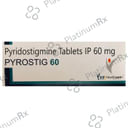
₹159
₹92.8
MRP ₹154.7
Pyridostigmine 180mg
₹501
MRP ₹611
Pyridostigmine 60mg
₹182.5
₹92.8
MRP ₹154.7
Pyridostigmine 60mg
₹133
₹92.8
MRP ₹154.7
Pyridostigmine 60mg
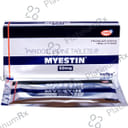
₹182.5
₹92.8
MRP ₹154.7
Pyridostigmine 60mg
₹152.7
₹92.8
MRP ₹154.7
Pyridostigmine 60mg
₹129
₹92.8
MRP ₹154.7
Pyridostigmine 60mg
₹92.8
MRP ₹154.7
Pyridostigmine 60mg
₹124.7
₹92.8
MRP ₹154.7
Pyridostigmine 60mg
₹206.3
₹92.8
MRP ₹154.7
Pyridostigmine 60mg
₹110.6
₹92.8
MRP ₹154.7
Pyridostigmine 30mg
₹113.5