


More About Coenzyme Q10 (Ubidecarenone)
Quick Summary
Coenzyme Q10 (Ubidecarenone) is a fat-soluble, vitamin-like substance that your body makes on its own and also gets from foods such as meat, fish and eggs. It is also known as CoQ10 or ubiquinone. Your cells use it to turn food into energy, and it works as an antioxidant that helps protect cells from damage. Coenzyme Q10 (Ubidecarenone) is used as a nutritional supplement and comes as tablets, capsules, soft gels and liquids in strengths from 30 to 600 mg. Doctors may suggest it alongside standard treatment for heart failure, to help prevent migraine headaches, or for people born with low levels of this substance.
Detailed Description
Coenzyme Q10 (Ubidecarenone) is found in almost every cell of the body. The highest levels are in the heart, liver, kidneys and pancreas. Inside cells, tiny energy-making parts called mitochondria use it to pass electrons along a chain of steps. This chain turns the food you eat into ATP, the form of energy your cells run on. In cell walls, it also acts as an antioxidant, which means it helps clear away unstable oxygen molecules (free radicals) before they harm the cell.
The amount of Coenzyme Q10 (Ubidecarenone) in the body goes down with age. Lower levels are also seen in people with heart failure, diabetes, fibromyalgia (a long-term condition causing widespread body pain and tiredness) and some nerve and muscle diseases. Cholesterol-lowering medicines called statins block a step in the pathway the body uses to make it.
Research on its uses is mixed. When added to standard treatment in people with moderate to severe heart failure, some studies link it to fewer symptoms, while other reviews call the heart failure evidence inconclusive. Studies suggest it may reduce how often migraine headaches happen, including in children. In people with fibromyalgia, it has shown potential to ease pain and tiredness compared with a dummy pill. For people with a rare inherited condition called primary coenzyme Q10 deficiency, which can affect the brain, muscles and kidneys, early treatment with high doses is used under a specialist's care. Evidence does not show that it helps Parkinson's symptoms or treats cancer.
Coenzyme Q10 (Ubidecarenone) is a fat-loving molecule, so the body absorbs it slowly. Absorption improves when it is taken with a meal that contains some fat or oil. Some products use a specially dissolved (solubilised) form that the body takes up more easily.
Even though it is a supplement, Coenzyme Q10 (Ubidecarenone) can affect how some medicines work, including warfarin, insulin and certain cancer treatments. Speak to your doctor before starting it if you have diabetes. It should generally be avoided if you have kidney problems unless a kidney specialist advises it. Also speak to your doctor if you are pregnant or breastfeeding. It is meant to be used alongside your regular treatment, not in place of it.
Benefits of Coenzyme Q10 (Ubidecarenone)
- Supports energy production in cells - Coenzyme Q10 (Ubidecarenone) is a key helper in the mitochondria, where the body turns food into usable energy.
- Works as an antioxidant - It helps protect cell walls, proteins and DNA from damage caused by free radicals, and may help the body make its own protective antioxidants.
- Add-on support in heart failure - When used together with standard treatment in moderate to severe heart failure, some studies link Coenzyme Q10 (Ubidecarenone) to fewer symptoms, though overall research is still mixed.
- May help prevent migraine - Studies suggest regular use may lower how often migraine headaches happen, including in children.
- May ease fibromyalgia symptoms - It has shown potential to reduce pain, tiredness and morning fatigue in people with fibromyalgia compared with a dummy pill.
- Replaces what is missing in primary coenzyme Q10 deficiency - People born with a low ability to make it may be treated early with high doses under a specialist's care.
Side Effects of Coenzyme Q10 (Ubidecarenone)
Most people take Coenzyme Q10 (Ubidecarenone) without problems. When side effects happen, they are usually mild and do not happen often.
Common Side Effects (Usually Mild)
Seen most often:
- Stomach upset
- Feeling sick (nausea) or vomiting
- Loose stools (diarrhoea)
- Trouble sleeping, mostly at doses of 100 mg a day or more
Seen less often:
- Headache
- Dizziness
- Tiredness
- Heartburn
- Skin rash
- Feeling irritable
- Eyes that are sensitive to light
Serious Side Effects (Seek Urgent Medical Attention)
- Signs of an allergic reaction, such as swelling of the face, lips or throat, or trouble breathing. People who are allergic to Coenzyme Q10 (Ubidecarenone) or any ingredient in the product should not take it.
- New or increased movements of the body that you cannot control.
- Low blood sugar in people with diabetes, such as shaking, sweating, sudden hunger or confusion, because Coenzyme Q10 (Ubidecarenone) can lower fasting blood sugar in some people.
Directions for Use
- Take Coenzyme Q10 (Ubidecarenone) with a meal that contains some fat or oil, because the body absorbs it better this way.
- Swallow tablets, capsules and soft gels whole with a glass of plain water. Do not crush, chew or break them unless the pack says the product is chewable.
- If you have the liquid form, measure it with the cup or spoon that comes with the pack, not a kitchen spoon.
- Try to take it at the same time each day and in the same way each time, so your routine stays steady.
- Some people find it harder to sleep at higher doses. If this happens to you, ask your doctor whether a different time of day would suit you better.
- Use it for as long as your doctor has advised. Do not stop or change any of your other prescribed medicines because you have started Coenzyme Q10 (Ubidecarenone)
How it works
Every cell has small parts called mitochondria, which act like power stations. They make ATP, the energy molecule cells use to do their work. To make ATP, the mitochondria pass tiny charged particles called electrons along a line of proteins known as the electron transport chain. Coenzyme Q10 (Ubidecarenone) is a cofactor in this chain. A cofactor is a helper molecule that an enzyme needs to do its job. Coenzyme Q10 (Ubidecarenone) picks up electrons and carries them to the next step, keeping the energy line moving.
Coenzyme Q10 (Ubidecarenone) also works as an antioxidant in the fatty walls of cells. Making energy creates unstable oxygen molecules called free radicals as a by-product. These can damage fats, proteins and DNA. Coenzyme Q10 (Ubidecarenone) helps stop this damage. It may also help the body make more of its own protective enzymes, such as superoxide dismutase, which lowers this kind of stress in blood vessels.
In blood vessels, Coenzyme Q10 (Ubidecarenone) may help protect nitric oxide, a natural substance that keeps vessels relaxed. This may support blood flow and help protect the vessel lining.
Supplements contain either the oxidised form (ubiquinone) or the reduced form (ubiquinol). These are two chemical forms of the same substance: ubiquinone has given away its electrons, and ubiquinol is carrying them. After you swallow it, the body turns most of it into ubiquinol in the small intestine. About 95% of the Coenzyme Q10 (Ubidecarenone) in the blood is in this ubiquinol form.
Safety Advice for Coenzyme Q10 (Ubidecarenone)

Pregnancy
Limited information
The manufacturer does not advise using Coenzyme Q10 (Ubidecarenone) during pregnancy, and its safety in pregnant women has not been fully studied. Talk to your doctor before using it if you are pregnant or planning a pregnancy.

Breastfeeding
Limited information
The manufacturer does not advise using Coenzyme Q10 (Ubidecarenone) while breastfeeding. Ask your doctor before using it.

Alcohol
Limited information
Ask your doctor about drinking alcohol while using Coenzyme Q10 (Ubidecarenone), especially if you also take warfarin or diabetes medicines, since it can affect how those medicines work.

Driving
Limited information
Coenzyme Q10 (Ubidecarenone) can cause dizziness or tiredness in some people. If you feel this way, avoid driving or using machines until you feel alert.

Kidney
Limited information
Coenzyme Q10 (Ubidecarenone) should be avoided in people with kidney problems unless a kidney specialist recommends it for a specific reason.

Liver
Limited information
Coenzyme Q10 (Ubidecarenone) is an unlikely cause of liver damage, but liver enzymes have risen in some people taking higher doses. Tell your doctor if you have liver disease.

Children
Limited information
Coenzyme Q10 (Ubidecarenone) has been used to help prevent migraine in children without major side effects, but safety information in children is limited. Give it to a child only if a doctor advises it.

Elderly patients
Limited information
The body's natural store of Coenzyme Q10 (Ubidecarenone) goes down with age. Older adults often take several medicines, so a doctor should check for interactions, especially with warfarin or diabetes medicines.
Quick Tips for Coenzyme Q10 (Ubidecarenone)
- Take Coenzyme Q10 (Ubidecarenone) with a meal that has some fat or oil in it.
- Swallow tablets and capsules whole with plain water.
- If you take warfarin, tell your doctor before starting, as your blood tests may need closer checks.
- If you have diabetes, watch for signs of low blood sugar and tell your doctor if they happen.
- If you are having cancer treatment, check with your cancer doctor first.
- If you take a statin for cholesterol, keep taking it as prescribed. Coenzyme Q10 (Ubidecarenone) is not a replacement for it.
- Tell every doctor, dentist and pharmacist you see that you use Coenzyme Q10 (Ubidecarenone).
Storage Advice
- Store Coenzyme Q10 (Ubidecarenone) at the temperature printed on the pack.
- Keep it in its original container, away from direct sunlight, heat and damp places such as bathrooms.
- Keep the lid tightly closed, especially for soft gels and liquids.
- Keep it out of reach and sight of children and pets.
- Do not use it after the expiry date on the pack.
Drug-Food Interaction
- Fatty meals - Coenzyme Q10 (Ubidecarenone) is fat-loving and absorbed slowly. A meal with some oil or fat helps the body absorb more of it.
- Foods that contain it - Meat has the highest amount of Coenzyme Q10 (Ubidecarenone), followed by dairy, eggs, and plant foods such as oils and legumes (beans and lentils). Oily fish like salmon and tuna, organ meats like liver, and whole grains are also sources.
Interactions with Other Drugs
- Warfarin (blood thinner) - Coenzyme Q10 (Ubidecarenone) is chemically similar to vitamin K, which works against warfarin. Taking them together may make warfarin work less well. This effect goes away when Coenzyme Q10 (Ubidecarenone) is stopped. Your doctor may need to check your blood more often.
- Insulin and other diabetes medicines - Coenzyme Q10 (Ubidecarenone) can lower fasting blood sugar in some people. Taken with insulin, this may add to the sugar-lowering effect.
- Cancer medicines (chemotherapy) - Coenzyme Q10 (Ubidecarenone) may not be compatible with some types of cancer treatment, and there is too little data on how they interact. People on chemotherapy are advised to avoid it unless their cancer doctor agrees.
- Statins (cholesterol-lowering medicines) - Statins block a step in the pathway the body uses to make Coenzyme Q10 (Ubidecarenone), which can lower its levels. Do not stop or change your statin without talking to your doctor.
Drug-Disease Interactions
- Allergy to Coenzyme Q10 (Ubidecarenone) - People who have had an allergic reaction to it, or to any ingredient in the product, should not take it.
- Diabetes - Because Coenzyme Q10 (Ubidecarenone) can lower fasting blood sugar, people with diabetes should use it with care and check their sugar levels as their doctor advises.
- Kidney disease - Coenzyme Q10 (Ubidecarenone) should be avoided in people with kidney problems unless a kidney specialist advises it for a specific reason.
- Cancer under treatment - People receiving chemotherapy should avoid Coenzyme Q10 (Ubidecarenone) unless their cancer doctor approves, because it may not be compatible with some cancer treatments.
- Liver disease - Liver enzymes have gone up in some people taking 300 mg or more a day. People with liver problems should tell their doctor before using it.
- Heart failure - Coenzyme Q10 (Ubidecarenone) has been studied as an add-on to standard heart failure treatment. It should not replace prescribed heart medicines.
- Conditions treated with warfarin - People taking warfarin for blood clots, an irregular heartbeat or a heart valve should tell their doctor first, because Coenzyme Q10 (Ubidecarenone) may make warfarin less effective.
Daily Dose
Your doctor will decide the right dose of Coenzyme Q10 (Ubidecarenone) for you based on why you are taking it, your age and your other medicines. Always follow the dose on your prescription or the advice of your doctor.
For general information only:
- Oral Coenzyme Q10 (Ubidecarenone) products are available in strengths ranging from 30 to 600 mg.
- The LiverTox reference from the US National Institutes of Health describes a typical dose of 300 to 1200 mg a day, split into divided doses. Liver enzymes have risen in some people taking 300 mg or more a day, so higher doses should only be used under a doctor's supervision.
- In a study on preventing migraine, 300 mg a day was found to be safe and worked better than a dummy pill.
- In people with primary coenzyme Q10 deficiency, specialists have used high doses based on body weight, ranging from 5 to 50 mg per kg of body weight per day.
- Harmful effects are considered unlikely at daily intakes up to 1200 mg.
Do not take more than your doctor has advised, and do not take extra doses on the same day to make up for a missed one.
Overdose
Coenzyme Q10 (Ubidecarenone) is considered safe as a dietary supplement, and harmful effects are unlikely at daily intakes up to 1200 mg. No specific overdose symptoms have been described. The known side effects of Coenzyme Q10 (Ubidecarenone), such as stomach upset, nausea, diarrhoea or trouble sleeping, have been reported with regular use, and trouble sleeping is more likely at doses of 100 mg a day or more.
If someone has taken a lot more than the advised amount, or if a child has swallowed it by accident, contact a doctor or go to the nearest emergency department. Take the pack with you so the medical team knows what was taken and how much.
What If You Forget to take Coenzyme Q10 (Ubidecarenone)?
If you miss a dose of Coenzyme Q10 (Ubidecarenone), take it with your next meal when you remember. If it is almost time for your next dose, skip the missed one and carry on with your usual schedule. Do not take a double dose to make up for the one you missed.
When to contact doctor
Get emergency help right away if you notice:
- Swelling of the face, lips, tongue or throat, or trouble breathing
- Signs of low blood sugar, such as shaking, sweating, confusion or fainting, especially if you have diabetes
- New body movements that you cannot control
Contact your doctor if you notice:
- A widespread skin rash
- Any change in your warfarin blood test results after starting Coenzyme Q10 (Ubidecarenone), if you take warfarin
- Stomach upset, vomiting or diarrhoea that does not go away
- Dizziness that does not settle
References
Fact Box
Therapeutic Class
Nutritional supplement (vitamin-like substance)
Action Class
Mitochondrial electron transport cofactor and antioxidant
Chemical Class
Fat-soluble quinone (ubiquinone, benzoquinone derivative)
Habit Forming
No
Checkout Editorial Policy
Coenzyme Q10 (Ubidecarenone) in other salts
Top Selling Medicines
Top Health Products
Top Selling Devices
Related Medications

Coenzyme Q10 (Ubidecarenone) 100mg
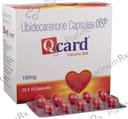
₹141
MRP ₹171.9
Coenzyme Q10 (Ubidecarenone) 300mg
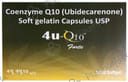
₹1,005.5
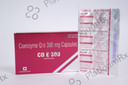
₹554.4
MRP ₹880
Coenzyme Q10 (Ubidecarenone) 100mg
₹420
₹141
MRP ₹171.9
Coenzyme Q10 (Ubidecarenone) 300mg
₹790.3
₹554.4
MRP ₹880
Coenzyme Q10 (Ubidecarenone) 100mg
₹440
₹141
MRP ₹171.9
Coenzyme Q10 (Ubidecarenone) 100mg
₹936.6
₹320.6
MRP ₹391
Coenzyme Q10 (Ubidecarenone) 300mg
₹2,371
₹554.4
MRP ₹880
Coenzyme Q10 (Ubidecarenone) 100mg
₹480
₹141
MRP ₹171.9
Coenzyme Q10 (Ubidecarenone) 300mg
₹805.7
₹554.4
MRP ₹880
Coenzyme Q10 (Ubidecarenone) 100mg
₹1,899
₹141
MRP ₹171.9
Coenzyme Q10 (Ubidecarenone) 200mg
₹650
₹529
MRP ₹645.1
Coenzyme Q10 (Ubidecarenone) 300mg
₹999
₹554.4
MRP ₹880
Coenzyme Q10 (Ubidecarenone) 300mg
₹825
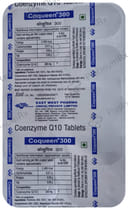
₹709.6
MRP ₹865.4
Coenzyme Q10 (Ubidecarenone) 300mg
₹709.6
MRP ₹865.4
Coenzyme Q10 (Ubidecarenone) 100mg
₹320.6
MRP ₹391
Coenzyme Q10 (Ubidecarenone) 300mg
₹872
₹709.6
MRP ₹865.4
Coenzyme Q10 (Ubidecarenone) 100mg
₹366.6
₹320.6
MRP ₹391
Coenzyme Q10 (Ubidecarenone) 300mg
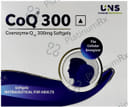
₹1,435
₹554.4
MRP ₹880
Coenzyme Q10 (Ubidecarenone) 100mg
₹275.9
₹320.6
MRP ₹391
Coenzyme Q10 (Ubidecarenone) 300mg
₹459.4
₹554.4
MRP ₹880
Coenzyme Q10 (Ubidecarenone) 100mg
₹750
₹320.6
MRP ₹391
Coenzyme Q10 (Ubidecarenone) 100mg
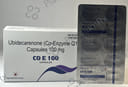
₹200
MRP ₹400
Coenzyme Q10 (Ubidecarenone) 100mg
₹580
₹141
MRP ₹171.9
Coenzyme Q10 (Ubidecarenone) 180mg
₹2,134.7
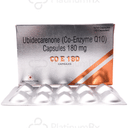
₹360
MRP ₹720
Coenzyme Q10 (Ubidecarenone) 100mg
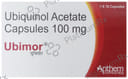
₹999
₹141
MRP ₹171.9