Zifi 200 Tablet: Uses, Benefits, Composition, Side Effects & FAQs
Last Updated: October 7, 2026

Summary
Zifi 200 is an antibiotic tablet used for bacterial infections such as urinary tract infections, chest and throat infections, ear infections and typhoid fever. It is a prescription-only medicine in India. Its single active ingredient is cefixime, a third-generation cephalosporin that kills the bacteria causing the infection. It works on bacteria and not viruses, so it helps only when the infection is bacterial.
Key Takeaways
- What it is: A prescription antibiotic tablet that kills bacteria.
- Active ingredients: Cefixime
- Used for: Urinary, chest, throat and ear infections, and typhoid fever.
- Not meant for: Colds, flu and other viral illnesses, or anyone allergic to cephalosporins.
- Prescription: Needed in India. Take it only on a doctor's prescription.
- How to take: Swallow the tablet whole with water, before or after food.
- Common side effects: Diarrhoea, nausea, stomach pain and gas; usually pass on their own.
What Is Zifi 200?
Buy Zifi 200 Tablet and Its Substitute
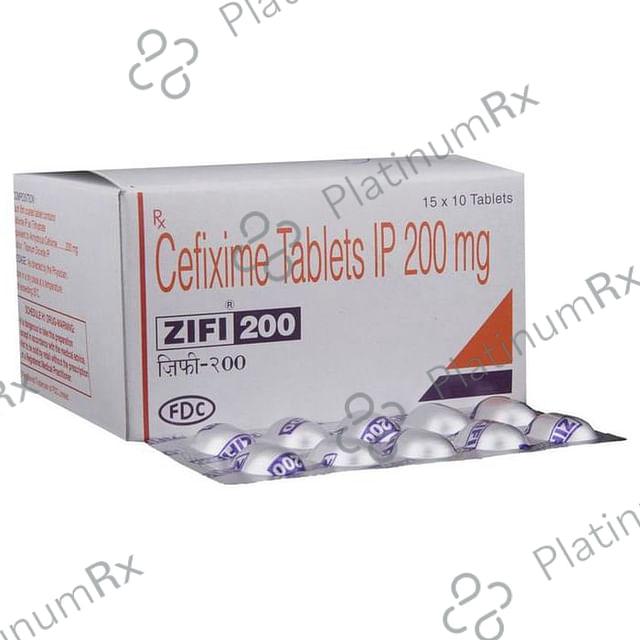
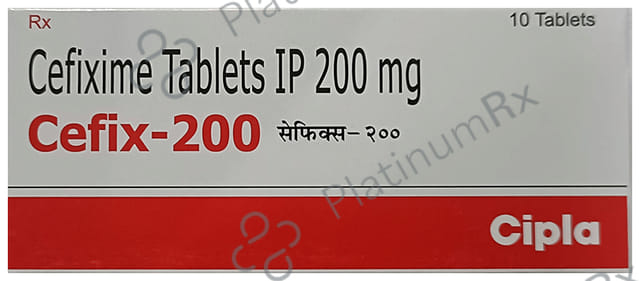
Zifi 200 Composition (Per Tablet)
| Ingredient | Amount | Type | What it does (in simple words) |
|---|---|---|---|
| Cefixime | 200 mg | Cephalosporin antibiotic | Kills the bacteria causing the infection |
How Does Zifi 200 Work?
Bacteria build a tough outer wall to stay alive, and cefixime stops that wall being built. It sticks to the enzymes bacteria use to build that wall, so the bacteria break open and die. Cefixime does not work on every bacterium: some bacteria can switch it off, which is why your doctor may send a sample to the lab.
Uses of Zifi 200
Doctors usually prescribe Zifi 200 for:
- Urinary tract infections (UTIs), where passing urine burns or you feel a strong urge to go often
- Chest infections such as bronchitis, where the airways are swollen and filled with mucus
- Throat and tonsil infections, usually when a strep bacterium is the cause
- Ear infections, including middle-ear infections
- Typhoid fever, a bacterial infection that causes a long high fever
Typhoid is a common reason cefixime is prescribed in India. The US FDA has not approved cefixime for typhoid; it is used here because Indian resistance patterns and prescribing practice differ. It is not a painkiller and will not bring down a fever on its own.
How to Take Zifi 200 Tablet
- Swallow the tablet whole with a glass of water.
- Do not crush, chew or break it unless your doctor or pharmacist says that is fine.
- You can take it before or after food.
- If you take two doses a day, space them about 12 hours apart, such as morning and evening.
- Take it at the same times each day so you do not forget a dose.
Dosage of Zifi 200
Your doctor decides your dose based on your age, weight, kidney function and the infection being treated. For most adults, the usual cefixime dose is 400 mg a day, which is two Zifi 200 tablets. Your doctor will tell you whether to take them together once a day or one tablet every 12 hours.
A strep throat infection is usually treated for at least 10 days. Other courses run about 7 days and may go up to 14.
Never increase the dose on your own. A higher dose does not clear the infection faster, but it raises the risk of diarrhoea and stomach upset, and if you have kidney disease it can cause fits (seizures). In severe kidney disease your doctor will lower the dose to a single 200 mg tablet a day.
Children are usually given cefixime as a dispersible tablet, drops or syrup, dosed by body weight. Give it to a child only on a paediatrician's advice.
If too many tablets have been taken, call 108 for an ambulance or go straight to the nearest hospital emergency department, and take the pack with you.
What If You Miss a Dose?
Take the missed dose as soon as you remember. If your next dose is almost due, skip it and carry on as usual. Never take two doses together to catch up.
How Long Does It Take to Work?
Many people start to feel better within the first few days, but the infection is fully cleared only when you finish the course. See your doctor if you are not improving, or if you feel worse.
Storage
Keep Zifi 200 in a cool, dry place, away from sunlight and damp, and out of the reach of children. Do not use it after the expiry date on the pack.
Side Effects of Zifi 200
Most people take Zifi 200 without trouble. When side effects happen, they are usually mild and settle on their own.
Common and mild:
- Diarrhoea or loose, frequent stools
- Feeling sick (nausea) or vomiting
- Stomach pain
- Indigestion and gas
- Headache or dizziness
- Mild rash or itching (if a rash spreads, or you feel unwell, get help straight away)
- Genital itching or a vaginal yeast infection
Rare but serious (stop the medicine and see a doctor right away):
- Swelling of your face, lips or tongue, a widespread rash, or trouble breathing
- Watery or bloody diarrhoea with stomach cramps and fever
- A painful rash with blisters, or skin that starts to peel
- Yellow eyes or skin, dark urine, or severe stomach pain
- Fits (seizures), confusion, or passing much less urine than usual
Diarrhoea and stomach upset come from cefixime itself, because the antibiotic changes the normal bacteria in your gut. They are more likely with a longer course.
Who Should Not Take Zifi 200
- Allergy to cefixime, any cephalosporin antibiotic, or any penicillin antibiotic
Precautions
Tell your doctor before taking Zifi 200 if you have:
- Kidney disease (your dose may need to be lowered)
- Liver disease or a poor diet (the medicine can affect clotting)
- Epilepsy or a history of fits
- A baby under 6 months old who needs treatment
- Diabetes, or you check your urine sugar at home (cefixime can give false readings)
- A pregnancy, a plan to become pregnant, or you are breastfeeding
- You are elderly (kidney function falls with age, so the dose may need adjusting)
Drug Interactions
| Medicine | What can happen |
|---|---|
| Carbamazepine (for fits and nerve pain) | Cefixime can raise its blood level |
| Warfarin and other blood thinners | Prothrombin time may rise, with or without bleeding |
| Urine ketone test strips | Can give a false-positive reading |
| Urine glucose tests using Benedict's or Fehling's solution | Can give a false-positive reading |
| Direct Coombs test (for anaemia) | May read positive because of the medicine |
Always tell your doctor about every medicine, supplement or home remedy you use. Go easy on alcohol while you are on this medicine, as it worsens the dizziness and the dehydration from diarrhoea.
Frequently Asked Questions About Zifi 200
When to See a Doctor
See a doctor quickly if you have:
- Your fever stays high after 3 days on the medicine, or you feel worse instead of better
- You cannot keep fluids down, or you are passing far less urine than usual
- Loose motions turn bloody, or new diarrhoea starts in the two months after the course ends
- Your skin or eyes look yellow, or your urine turns dark
- You have a fit, or you become confused or unusually sleepy
- Your lips or tongue swell, or your breathing becomes difficult
The Bottom Line
Zifi 200 is a cefixime antibiotic for bacterial infections such as UTIs, chest, throat and ear infections, and typhoid fever. It does nothing for a cold or flu. Take it exactly as prescribed and finish the whole course, even after you feel better, because stopping early helps resistant bacteria survive. Diarrhoea and stomach upset are the usual side effects, and they normally settle once the course ends.
References