Stomach Pain Medicine in India: A Guide to What Works
Last Updated: October 6, 2026

Summary
No single medicine suits every stomach ache — the right one depends on the cause. Acid, gas, cramps, infection and constipation each need a different kind of medicine. This guide covers the main groups of stomach ache medicine, the warning signs that need urgent care, and the rules on buying them in India.
Key Takeaways
- Most stomach aches settle on their own within a few days.
- Antacids ease occasional heartburn; do not use them for more than 1–2 weeks.
- Acid-suppressing medicines are for frequent acidity and are usually a short course.
- Antispasmodics such as dicyclomine are prescription medicines for cramps.
- Oral rehydration salts (ORS) are the main treatment for loose motions and vomiting.
- Sudden severe pain, a hard tender tummy, or blood in vomit or stool needs emergency care.
What "stomach pain" usually means
"Stomach pain" is a loose term. The pain may come from the stomach, the intestine, the liver or gallbladder, the kidneys or the womb. Where the pain sits, and how it behaves, gives the first clue.
| Type of pain | Possible cause |
|---|---|
| Bloated, passing a lot of wind | Trapped wind |
| Full and bloated after eating, burning in the chest, feeling sick | Indigestion |
| Unable to pass stool | Constipation |
| Loose motions, feeling sick, vomiting | Stomach infection or food poisoning |
| Cramps during your period | Period pain |
| Sudden pain in the lower right side | Appendicitis |
| Ongoing cramps, bloating, change in stools | Irritable bowel syndrome |
When stomach pain needs medical help
Get emergency help straight away — call 112 for an ambulance, or 108 in many states — if:
- The pain came on very suddenly, or it is severe.
- Your tummy hurts when you touch it.
- You are vomiting blood, or your vomit looks like coffee grounds.
- Your stool is bloody, or black, sticky and very smelly.
- You cannot pass urine, or you cannot pass stool or wind.
- You have chest pain or trouble breathing.
- You have diabetes and you are vomiting.
Do not drive yourself to hospital. Ask someone to drive you, or call an ambulance, and carry your medicine strips with you.
See a doctor within a day or two if you have:
- Pain that is getting worse, will not go away, or keeps returning.
- Bloating that does not go away.
- Trouble swallowing food.
- Weight loss you cannot explain.
- Bleeding from the bottom, or unusual vaginal bleeding or discharge.
- Loose motions lasting more than a few days.
- Stomach pain while you are pregnant.
The main groups of stomach ache medicine
Most stomach ache medicines belong to a few groups. Each acts on a different cause, so the wrong one wastes time and can add side effects.
| Group | Common ingredients | Mainly used for | Usually prescribed? |
|---|---|---|---|
| Antacids | Aluminium hydroxide, magnesium hydroxide, calcium carbonate | Occasional heartburn and acid indigestion | No |
| Alginates | Sodium alginate | Burning and reflux | No |
| Antiflatulent | Simethicone | Gas, fullness and bloating | No |
| H2 blocker | Famotidine | Heartburn; acid reduction | Ask your pharmacist — some need a prescription |
| Proton pump inhibitor | Omeprazole and similar | Frequent heartburn, reflux, ulcers | Ask your pharmacist — some need a prescription |
| Antispasmodic | Dicyclomine | Gut cramps and irritable bowel syndrome | Yes |
| Antidiarrhoeal | Loperamide | Short-term control of loose motions | No |
| Rehydration | Oral rehydration salts (ORS) | Dehydration from diarrhoea or vomiting | No |
| Painkiller | Paracetamol | Mild to moderate pain and fever | No |
| Painkiller | Ibuprofen | Pain and swelling, but risky for the stomach | No |
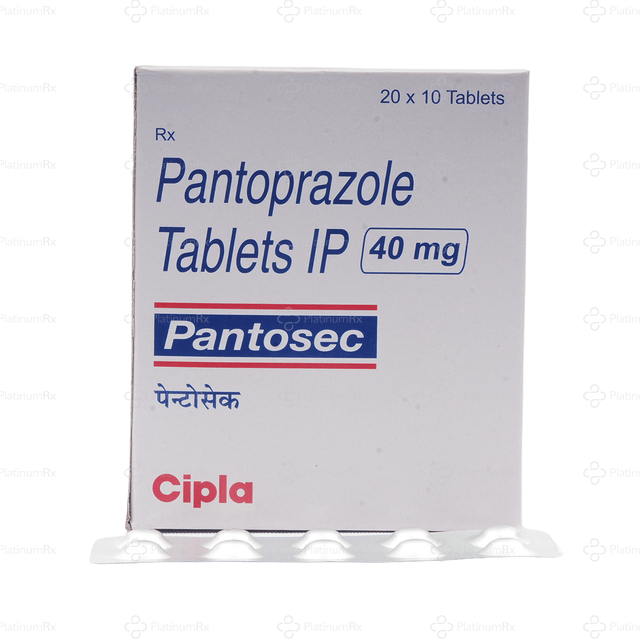
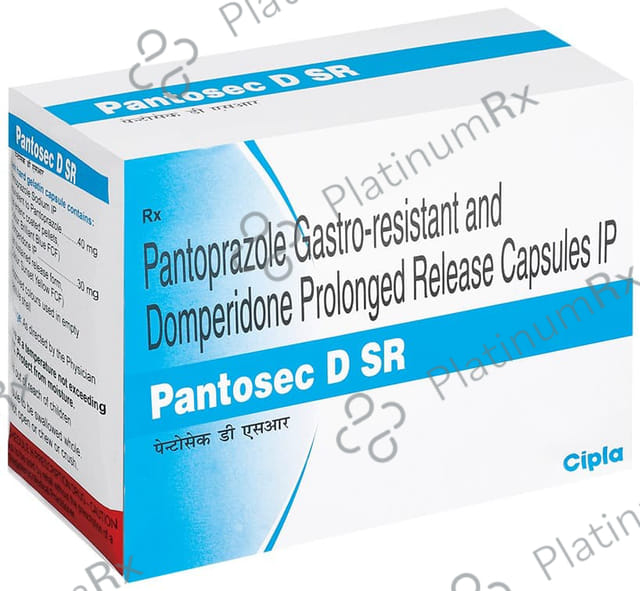
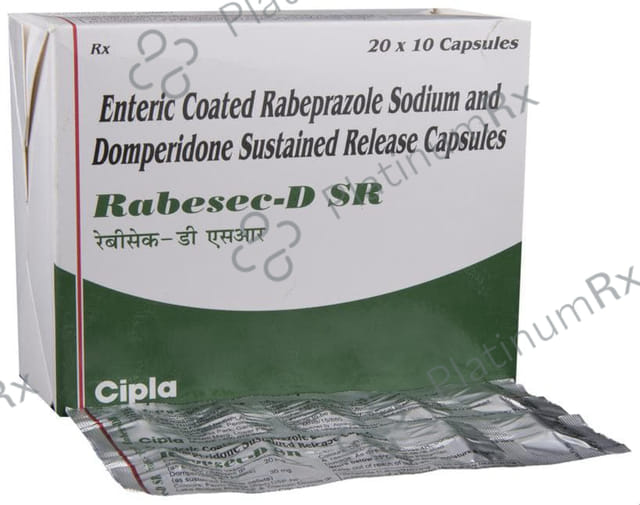
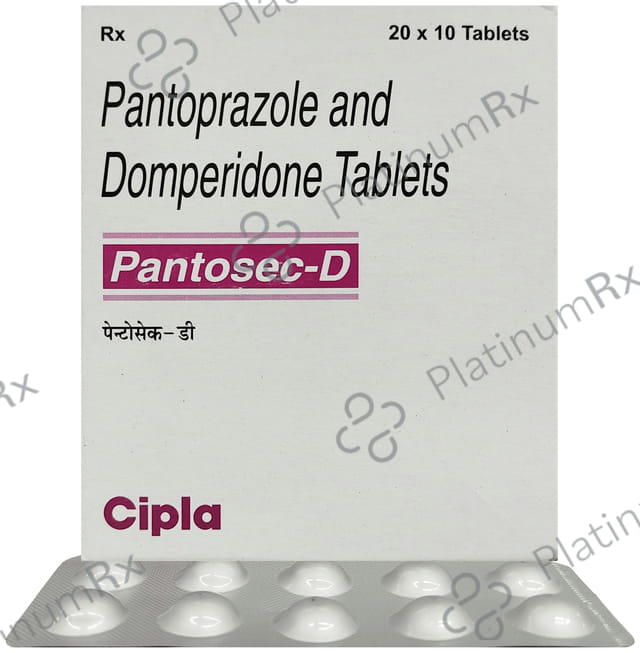
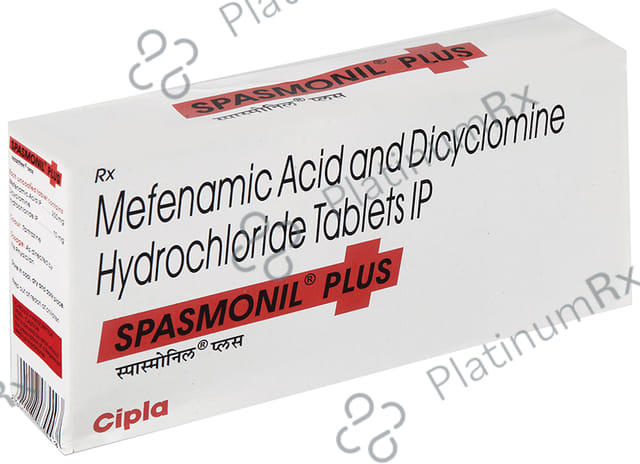
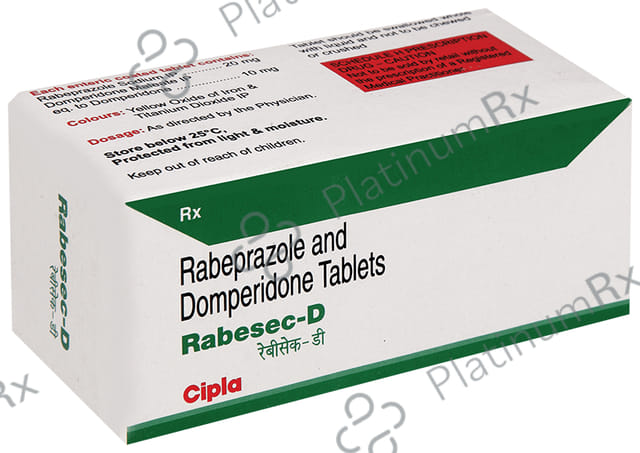
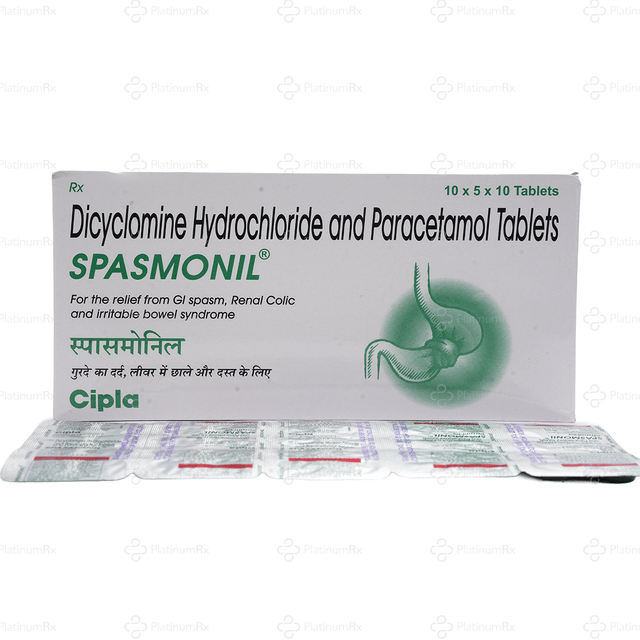
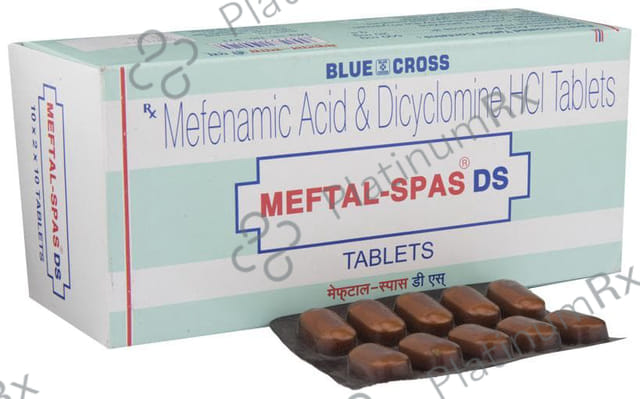
Buy Stomach Pain Medicines Online

Antacids and alginates
Antacids are the usual first choice for occasional heartburn. They neutralise the acid already sitting in your stomach, so they work quickly.
- Take them about 1 hour after eating, or when symptoms start. Liquids act faster than tablets.
- Do not use antacids for more than 1 to 2 weeks unless a doctor has told you to. See a doctor if you need them most days.
- Magnesium salts can cause loose motions. Aluminium and calcium salts can cause constipation.
- Antacids can change how well your body absorbs other medicines. Take your other medicines either 1 hour before or 24 hours after an antacid.
- Ask your doctor or pharmacist before using antacids regularly if you have kidney disease, high blood pressure or heart disease.
Alginates are another option a pharmacist may suggest for burning and reflux.
Acid suppressants: PPIs and H2 blockers
Acid suppressants are for heartburn that keeps coming back. Instead of neutralising acid, they reduce how much acid your stomach makes.
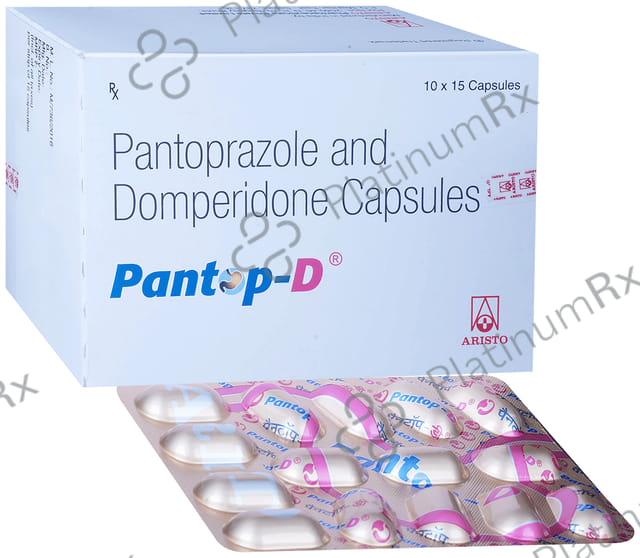
- Proton pump inhibitors such as omeprazole block the proton pumps — the small acid pumps in the stomach lining — so less acid is made. They are used for heartburn on two or more days a week, reflux and ulcers, and are usually taken once a day, at least 1 hour before a meal. In India, check the pack: if it carries the red Rx mark, it cannot be sold without a doctor's prescription. Ask your pharmacist.
- Swallow PPI capsules and tablets whole with water. Do not crush, split or chew them — they are made to release the medicine further down the gut, and crushing stops them working properly.
- H2 blockers such as famotidine block the H2 receptors that tell the stomach to make acid, so less acid is made. They are used for heartburn and sour stomach, and doctors prescribe them for ulcers and reflux.
- Taken at high doses or for a year or longer, PPIs can slightly raise the risk of hip, wrist and spine fractures, and long-term acid suppression can reduce how well vitamin B12 is absorbed. They can also make the blood thinner clopidogrel work less well.
- Tell your doctor about any medicine you take daily before starting a PPI.
If you get heartburn often, it is worth knowing what sets it off — acidity and heartburn covers the common causes.
Ranitidine. In April 2020 the European Medicines Agency recommended suspending all ranitidine medicines in the EU because of an impurity called NDMA. Other acid medicines were not affected. If you still have an old ranitidine strip at home, do not use it — ask your doctor or pharmacist for an alternative. That was an EU decision, and availability in India may differ, so check with your pharmacist.
Antispasmodics for cramps
Dicyclomine is the antispasmodic most often used for gut cramps, and it is a prescription medicine. It is used for the symptoms of irritable bowel syndrome and for muscle spasm in the gut.
- Dicyclomine is an anticholinergic medicine — it relaxes gut muscle by blocking the nerve signal (acetylcholine) that makes it tighten.
- Common effects include dry mouth, dizziness, drowsiness, blurred vision and constipation. Do not drive until you know how it affects you, and alcohol adds to the drowsiness.
- Dicyclomine reduces sweating, so in very hot weather it can cause fever or heat stroke. Stay out of the sun, drink fluids, and get medical help if you become very hot and dry.
- Do not take it if you have glaucoma or an enlarged prostate, and do not use it while breastfeeding.
- Older adults should usually not take dicyclomine. Ask your doctor what else can be used.
Antiflatulents for gas and bloating
Simethicone is the usual medicine for trapped wind. It is used for the pressure, fullness and bloating that gas causes, and it is generally well tolerated when taken as directed.
- Chewable tablets must be chewed thoroughly, not swallowed whole.
- It is usually taken after meals and at bedtime. Do not take more than 6 tablets or 8 capsules in a day unless a doctor tells you to.
- Simethicone does not treat the cause of pain. If your pain is not from gas, it will not help.
ORS: the key medicine for loose motions and vomiting
ORS is the main treatment when stomach pain comes with loose motions or vomiting. It replaces the water and salts lost in the stool.
- WHO lists ORS — clean water with salt and sugar — as the first treatment for diarrhoea, along with a 10 to 14 day course of zinc tablets for children.
- Signs of dehydration include sunken eyes, restlessness or irritability, drinking eagerly and thirstily, and unusual sleepiness. Any of these needs medical help — dehydration explains what to watch for.
- Get medical help for diarrhoea that lasts, or if there is blood in the stool. Blood in the stool needs a doctor, not a medicine from the chemist.
- Loperamide slows the bowel and reduces the number of loose motions. It is used for short-term diarrhoea, including travellers' diarrhoea. Taking more than the label allows can cause dangerous heart rhythm problems. Do not give loperamide to a child under 2 years old — it can cause serious breathing and heart problems. Do not take it if you have a fever, blood or mucus in your stool, or stomach pain without diarrhoea. Stop it and see a doctor if the loose motions last more than 48 hours.
- Probiotics are sold widely for gut problems. A 2010 review found they may shorten infectious diarrhoea in children, but a 2020 update of the same review found they probably make little or no difference to how long diarrhoea lasts, and that the evidence is uncertain. They are not one of the standard treatments for diarrhoea, and they are not a replacement for ORS.
Painkillers: what is safer for stomach pain
Paracetamol is the safer painkiller when your stomach is the problem. Ibuprofen and similar anti-inflammatory painkillers can damage the stomach lining and cause bleeding.
- Paracetamol is used for mild to moderate pain and fever. Do not take more than 4,000 mg in a day from all sources, because too much can cause serious liver damage. Do not take it if you drink three or more alcoholic drinks a day.
- Ibuprofen can cause ulcers, bleeding or a hole in the stomach or intestine, sometimes without warning. The risk is higher if you take it for a long time, are older, smoke, drink heavily, or also take blood thinners, steroids, aspirin or another anti-inflammatory medicine. Ibuprofen also carries a boxed warning that it can raise the risk of heart attack or stroke. These can happen without warning and can be fatal, and the risk is higher with long-term or high-dose use. Do not take ibuprofen if you have recently had a heart attack unless your doctor tells you to.
- Stop ibuprofen and call a doctor if you get stomach pain, heartburn, vomit that is bloody or looks like coffee grounds, blood in the stool, or black tarry stools.
- Do not take ibuprofen or aspirin for indigestion unless a doctor prescribed it, as they can make it worse.
- If someone takes too much of any painkiller, get medical help at once even if they feel fine. Go to the nearest hospital emergency department and take the strip or pack with you.
What not to do
- Do not start antibiotics on your own. Antibiotics are included in Schedule H and H1 in India and must be sold by retail only on the prescription of a registered medical practitioner.
- Do not use an antacid to treat pain that will not settle. Antacids cannot treat appendicitis, ulcers, gallstones or bowel problems.
- Do not take two products that contain the same ingredient. Check the labels of everything you take.
- Do not ignore symptoms that come every day or at night. That is a sign to get checked.
Prescription and over-the-counter rules in India
In India, medicines that cannot be sold without a doctor's prescription are listed under Schedule H of the Drugs and Cosmetics Rules, 1945, with stricter control under Schedule H1.
- Prescription-only packs carry a red Rx mark, and the warning that the drug must be sold by retail only on the prescription of a registered medical practitioner.
- Antibiotics sit in Schedule H and H1. Schedule H1, introduced in 2013, covers higher-generation antibiotics (carbapenems and third- and fourth-generation antibiotics), anti-TB drugs and some habit-forming medicines.
- A chemist should not sell you an antibiotic for a stomach infection without a prescription. If you are unsure whether a medicine needs a prescription, ask the pharmacist.
Looking after yourself at home
- Drink fluids in small sips through the day. Use ORS if you have loose motions or vomiting.
- Eat small, plain meals, and avoid rich, spicy and fatty food.
- Cut down on tea, coffee, cola and alcohol.
- If you smoke, stopping helps.
- For heartburn at night, raise your head and shoulders in bed so acid does not come back up.
- Do not eat for 3 to 4 hours before going to bed.
- Keep every medicine in the container it came in, tightly closed, at room temperature and away from heat and moisture, and out of the reach of children.
Pregnancy, children and older adults
- Pregnancy: indigestion is common, especially from 27 weeks. A pharmacist can advise on a medicine that suits you. Do not take ibuprofen around or after 20 weeks of pregnancy unless your doctor tells you to. For pain in pregnancy, paracetamol is usually the preferred option, but use it only as your doctor advises. The US FDA issued a safety notice on 22 September 2025 about a possible link with neurodevelopmental conditions in children; the evidence does not show that paracetamol causes them.
- Children: loose motions and vomiting are the main worry, because of dehydration. ORS and zinc are the treatments. Do not give a child painkillers that are made for adults.
- Older adults: anti-inflammatory painkillers carry a higher risk of stomach bleeding with age, and antispasmodics such as dicyclomine are usually avoided.
FAQs
References