Pan 40 Tablet: Uses, Composition, Dosage & Side Effects
Last Updated: October 6, 2026

Key Takeaways
- Pan 40 contains pantoprazole 40 mg. It is a single-ingredient tablet, not a combination.
- It is used for acid-related problems such as GERD, erosive oesophagitis and peptic ulcers.
Introduction
A doctor has most likely prescribed you Pan 40 after you described a burning feeling in your chest, a sour taste in your mouth, or pain in the upper stomach. This article explains what is inside the tablet, what it can and cannot do, how to take it correctly, and the side effects and precautions worth knowing.
What Is Pan 40?
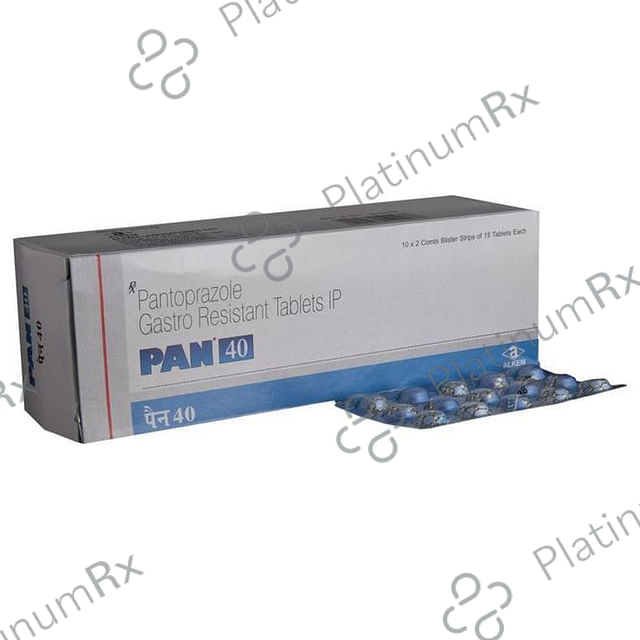
Composition: each Pan 40 tablet contains pantoprazole sodium equivalent to pantoprazole 40 mg, as an enteric-coated tablet. It is a single-ingredient tablet.
Pantoprazole is a proton pump inhibitor, and it belongs to a chemical family called substituted benzimidazoles (a group of similar acid-blocking medicines). The "enteric-coated" part matters: the coating stops the tablet from dissolving in the stomach acid it is designed to reduce, so the medicine is released further down the gut, where it can be absorbed properly.
Pan 40 is a prescription-only medicine in India. Pantoprazole is listed in Schedule H of the Drugs and Cosmetics Rules, as recorded in the National Formulary of India 2011. That means a pharmacy cannot legally sell it to you without a valid prescription from a registered medical practitioner.
Which Pan product do you have?
- Product: PAN 20; What each unit contains: Pantoprazole 20 mg; Form: Enteric-coated tablet
- Product: PAN 40; What each unit contains: Pantoprazole 40 mg; Form: Enteric-coated tablet
- Product: PAN-D; What each unit contains: Pantoprazole 40 mg + domperidone 30 mg; Form: Capsule (sustained release)
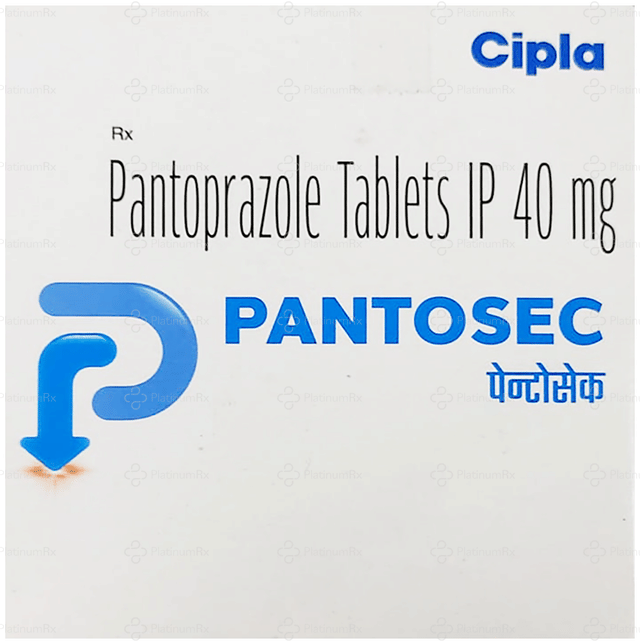
This article covers PAN 40 only. Pantoprazole is also made in India as an injection of 20 mg and 40 mg per vial, which is used in hospital settings. Because other products in the same range contain pantoprazole alongside a different second medicine, always read the name on the pack before taking a tablet from a strip you are not sure about.
What Is Pan 40 Used For?
Pan 40 is used to treat conditions caused by too much stomach acid, and only when a doctor has prescribed it. The conditions it is used for in India are:
- Gastro-oesophageal reflux disease (GERD) - where acid flows back from the stomach into the food pipe, causing heartburn and a sour taste.
- Erosive oesophagitis - inflammation and damage to the lining of the food pipe caused by that repeated acid exposure.
- Gastric ulcer and duodenal ulcer - open sores in the stomach or in the first part of the small intestine.
- Zollinger-Ellison syndrome - a rare condition in which the stomach produces far too much acid.
It is also used as longer-term maintenance treatment to keep healed erosive oesophagitis from coming back, and to reduce daytime and night-time heartburn in people with GERD.
What Pan 40 is not for
- It is not a painkiller. It will not help a headache, body ache or period pain.
- It is not a fast-acting antacid. It does not neutralise the acid already sitting in your stomach.
- It is not a treatment for a common cold, cough or sore throat.
- It is not an antibiotic. If an infection is part of your stomach problem, your doctor will prescribe a separate medicine for it.
- It is not meant to be shared. Do not give your tablets to anyone else, even if their symptoms sound the same as yours.
How Does Pan 40 Work?
Pantoprazole has to be switched on by acid before it can work. Once it reaches the acid-producing parietal cells in the stomach lining, it is converted into its active form and then blocks the H+, K+-ATPase enzyme - the "proton pump", which is the final step in the production of hydrochloric acid.
Because it blocks the pump itself rather than the signals that switch the pump on, it reduces acid production whether the trigger is a meal, histamine, gastrin or a nerve signal. The effect gets stronger as the dose goes up, and it reduces both the acid the stomach makes at rest and the acid it makes after eating.
How to Take Pan 40
Take it exactly as your doctor has prescribed. The points below describe how this tablet is meant to be used.
- Swallow the tablet whole with a glass of water. Do not crush, chew, split or dissolve it. The coating is what protects the medicine from stomach acid, so breaking the tablet defeats the purpose.
- It can be taken with or without food. Food may delay absorption by up to two hours or longer, but the total amount absorbed is not reduced, so both timings are acceptable. Many doctors still ask patients to take it before breakfast - if that is what you have been told, follow that instruction.
- Take it at around the same time each day. Once-daily dosing is usual. If you have been prescribed it twice a day, take one dose in the morning and one in the evening.
- If you find it hard to swallow a 40 mg tablet, ask your doctor or pharmacist about alternatives first. Depending on your prescription, two 20 mg tablets may be used instead of one 40 mg tablet.
- If you have taken it for a long time, speak to your doctor before stopping. Some people find their symptoms come back when they stop suddenly, and a gradual reduction can prevent that.
Missed dose: if you take it once a day, take the missed dose as soon as you remember - unless your next dose is due within 12 hours, in which case skip it and take the next one at the usual time. If you take it twice a day, the cut-off is 4 hours. Never take two doses together to make up for a forgotten one.
Too much: no symptoms of overdose have been reported in humans, and exposures well above the usual dose have been tolerated. Even so, if you have taken more than prescribed and you feel unwell, go to the nearest hospital emergency department straight away and carry the strip or pack with you. For emergency help in India, call 112, or 108 for an ambulance.
Pan 40 Dosage
| Who it is for | Condition | Dose | How often | Duration/Notes |
|---|---|---|---|---|
| Adults | Erosive oesophagitis with GERD | Erosive oesophagitis with GERD | Once daily | Up to 8 weeks |
| Adults | Maintenance after healed erosive oesophagitis | 40 mg | Once daily | Controlled studies did not extend beyond 12 months |
| Adults | Zollinger-Ellison syndrome and similar hypersecretory conditions | 40 mg, adjusted to need | Twice daily | Doses up to 240 mg a day have been used |
| Children 5 years and older, 15 kg to under 40 kg | Erosive oesophagitis with GERD | 20 mg | Once daily | Up to 8 weeks |
| Children 5 years and older, 40 kg and above | Erosive oesophagitis with GERD | 40 mg | Once daily | Up to 8 weeks |
Who Should Be Careful or Avoid It
In India, the only reason a person must not take Pan 40 is allergy to it or to a related medicine. One important difference from the US label is worth knowing if you take HIV medicines, and it is described under Interactions below.
Do not take it if you are allergic to pantoprazole, to any other ingredient in the tablet, or to any medicine in the substituted benzimidazole group. Allergic reactions to this family of medicines can be serious and include anaphylaxis, swelling of the face and throat, wheezing, hives and inflammation of the kidneys.
Tell your doctor first if you:
- have liver problems - doses above 40 mg a day have not been studied in people with liver disease;
- have kidney problems or are on dialysis - the dose usually stays the same, but your doctor should know;
- have ever had low vitamin B12, low magnesium or low calcium levels;
- have osteoporosis, or have broken a bone easily in the past;
- have lupus, or a rash triggered by sunlight;
- are due to have an endoscopy - this medicine can hide problems that the test is meant to find, and your doctor may ask you to pause it beforehand;
- are pregnant, planning a pregnancy or breastfeeding;
- are 65 or older;
- take any other medicine, including HIV medicines, blood thinners or methotrexate.
Pregnancy and breastfeeding. There is not enough reliable information about pantoprazole use in pregnant women, and animal studies have shown effects on the developing baby, so it is used in pregnancy only when a doctor decides it is clearly necessary. Pantoprazole passes into breast milk, so whether to continue breastfeeding or to stop the medicine is decided by weighing the benefit of breastfeeding for the baby against the benefit of treatment for the mother.
Children. This tablet is used for short-term treatment of erosive oesophagitis with GERD in children aged 5 years and older. It is not known whether it is safe to use for longer than 8 weeks in children. Effectiveness has not been shown under 1 year, and for children under 5 there is no suitable strength in an age-appropriate form available.
Older adults. Healing rates and side effect rates in people aged 65 and over were similar to those in younger people. No dose change is recommended on the basis of age alone.
Side Effects of Pan 40
Not everyone who takes it gets side effects, and the ones that do occur are usually mild and settle once the medicine is stopped. In trials of adults with GERD, the side effects reported in more than 2 in 100 people were:
- Headache — About 12 in 100
- Diarrhoea — About 9 in 100
- Nausea — About 7 in 100
- Stomach pain — About 6 in 100
- Vomiting — About 4 in 100
- Gas (flatulence) — About 4 in 100
- Dizziness — About 3 in 100
- Joint pain — About 3 in 100
In these trials, several of these symptoms were about as common in people taking a placebo as in people taking pantoprazole, so not every symptom on this list is necessarily caused by the medicine.
Less common effects include constipation, dry mouth, rash, itching, blurred vision, muscle pain, low mood, and raised liver enzymes on a blood test.
Driving. Dizziness and blurred vision can occur with this medicine. If they affect you, do not drive or operate machinery until you feel normal again.
Alcohol. Alcohol is not known to interact with pantoprazole. If you are being treated for an ulcer or for reflux, ask your doctor whether you need to cut down while the problem is being treated.
Get medical help urgently if you notice
- a blistering, peeling or bleeding rash, or sores on the lips, mouth, nose or genitals;
- swelling of the eyes, face, lips, mouth, throat or tongue, trouble breathing or swallowing, or hoarseness;
- severe diarrhoea with watery stools, stomach pain or fever that does not go away;
- muscle spasms or cramps, uncontrollable shaking, a seizure, or a fast, irregular or pounding heartbeat;
- yellowing of the skin or eyes, dark urine, or severe tiredness;
- blood in the urine, a large change in how much you urinate, or sudden swelling;
- new or worsening joint pain, or a rash on the cheeks and arms that is sensitive to sunlight.
These reactions are uncommon, but they need medical attention straight away when they happen.
Symptoms that need checking, not just treating
Some symptoms point to a problem that settling your acid will not fix, and they need a doctor's attention rather than another course of tablets:
- difficulty swallowing, or pain when you swallow;
- vomiting blood, or vomit that looks like dark coffee grounds;
- stools that are black or tarry;
- weight loss you cannot explain;
- chest or stomach pain that is new, or getting worse.
Acid medicines can settle your symptoms without fixing the cause. If your symptoms are not improving after a few weeks, or they come back soon after you stop, your doctor may want to look further.
Taking Pan 40 for a Long Time
Acid-suppressing medicines are meant to be used at the lowest dose and for the shortest time that controls your condition. When they are taken for months or years, a few risks are worth knowing about:
- Vitamin B12. Daily acid suppression for longer than about 3 years can reduce the absorption of vitamin B12. Tiredness, tingling in the hands or feet, and a sore tongue are possible signs.
- Magnesium. Low magnesium is reported rarely, usually after at least 3 months and mostly after a year of treatment. It can cause muscle cramps, seizures and irregular heart rhythms.
- Bone strength. Long-term use at high doses — several doses a day for a year or more — has been linked to a higher risk of fractures of the hip, wrist and spine.
- Stomach lining changes. Fundic gland polyps, which are small growths on the stomach lining, become more likely with long-term use, especially beyond one year. Atrophic gastritis has also been reported occasionally in people on long-term treatment.
- Gut infections. Acid suppression is associated with a higher risk of diarrhoea caused by Clostridium difficile, particularly in people who are already unwell in hospital.
Taken together, these are reasons to review long-term treatment rather than continue it indefinitely. If you have been on Pan 40 for a long time, ask your doctor whether you still need it, whether the dose can be reduced, or whether you can stop.
Interactions
- HIV medicines. Atazanavir and nelfinavir should not be taken with this tablet, because pantoprazole lowers their blood levels and the HIV treatment may stop working. The US prescribing information (current version, effective 25 December 2025) also lists rilpivirine-containing HIV medicines as a contraindication, which Indian product information does not — so tell your doctor about all your HIV medicines.
- Warfarin and other blood thinners. Pantoprazole can raise INR and prothrombin time, which increases bleeding risk. Your doctor will monitor this and may adjust the blood thinner.
- Methotrexate. Taking a proton pump inhibitor with methotrexate can raise and prolong methotrexate levels, which increases its toxicity. If you are on high-dose methotrexate, your doctor may temporarily stop the acid-suppressing medicine.
- Clopidogrel. Pantoprazole did not have a clinically important effect on clopidogrel in studies, and no clopidogrel dose adjustment is needed.
- Medicines that need stomach acid to be absorbed. Ketoconazole, iron salts (including iron tablets taken for anaemia), erlotinib, ampicillin esters and mycophenolate mofetil, which is used in transplant patients, may all be absorbed less.
Storage and Practical Matters
- Store the tablets in a cool, dry place, protected from light, and keep the strip out of the sight and reach of children.
- The tablets come in a blister pack. Keep them in the pack until you are ready to take one, and check the expiry date before use.
This article is general information and not medical advice for your individual case. Pan 40 is a prescription-only medicine in India and should only be taken on a valid doctor's prescription. Follow your own doctor's instructions about your dose, how long to take it and when to stop.
FAQs Pan 40 Tablet
References