5 Uses and Benefits of Pulmoclear Tablet
Last Updated: October 6, 2026

Summary
Pulmoclear Tablet is a prescription medicine that contains acebrophylline 100 mg and acetylcysteine 600 mg. It is prescribed alongside your other treatment for long-term lung conditions such as COPD, chronic bronchitis, asthma and bronchiectasis, to loosen thick mucus and keep the airways more open. It is an add-on medicine, not a rescue inhaler.
What Is Pulmoclear Tablet?
Pulmoclear Tablet is a fixed-dose combination tablet with two active ingredients: acebrophylline 100 mg and acetylcysteine 600 mg. The two ingredients sit in separate layers of the tablet.
- Acebrophylline; Strength per tablet: 100 mg; What it does: Relaxes the airway muscles and helps loosen mucus
- Acetylcysteine; Strength per tablet: 600 mg; What it does: Breaks up thick mucus so it is easier to cough out
Acebrophylline belongs to a group of medicines called xanthines, which open up the airways. Acetylcysteine is a mucolytic - the plain word for a mucus-thinning medicine.
Pulmoclear is also sold as a syrup, but the syrup is a different medicine. Each 5 mL contains terbutaline 1.25 mg, acebrophylline 50 mg and guaifenesin 50 mg. Check the pack to be sure which one you have.

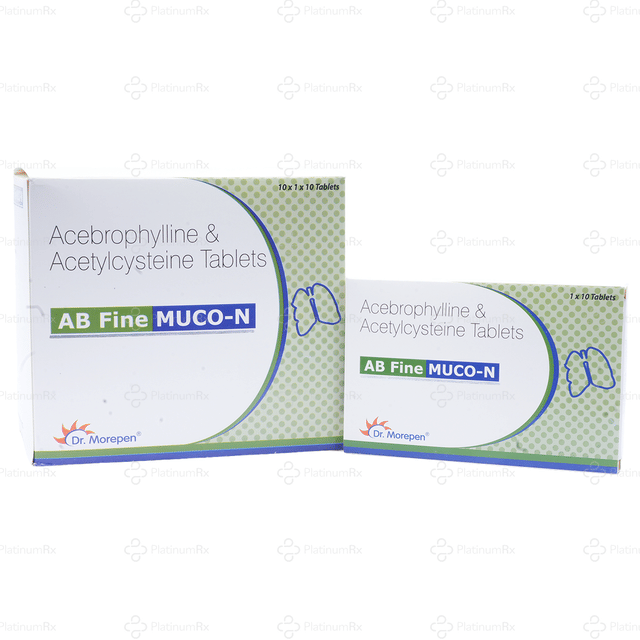
How Pulmoclear Tablet Works
Acebrophylline is a xanthine-type medicine. It slows down an enzyme in your airway muscles that normally breaks down a natural relaxing messenger. With more of that messenger around, the muscle relaxes and the airway opens up.
Acebrophylline also makes mucus less thick and helps the fine hair-like cells in your airways sweep it along.
Acetylcysteine works directly on the mucus itself. Mucus is held together by chemical bonds, and acetylcysteine breaks those bonds. This turns thick, sticky mucus into something thinner and runnier that you can cough out more easily.
5 Uses and Benefits of Pulmoclear Tablet
The acebrophylline and acetylcysteine in Pulmoclear are prescribed for long-term lung conditions where the airways are narrowed and mucus is thick.
- Chronic obstructive pulmonary disease (COPD). COPD is a long-term lung disease where airflow is blocked and mucus builds up. The tablet loosens that mucus and keeps the airways more open. In a small Indian study of 40 adults with moderate COPD, the 20 who added acebrophylline 100 mg twice a day on top of their usual inhaled tiotropium had better breathing test results and fewer symptoms over six weeks. The study could not separate the effect of the tablet from the effect of the inhaler, so this is add-on evidence only.
- Chronic bronchitis. Chronic bronchitis means a cough with mucus on most days, for months at a time. The acetylcysteine in this tablet breaks that mucus down so you can bring it up. It is prescribed for bronchitis and is usually continued as long as your doctor advises.
- Asthma, as an add-on treatment. Asthma causes spells of wheezing and breathlessness when the airways tighten. This tablet is not a stand-alone asthma treatment and it is not a reliever. It is added on top of your inhalers. In a 90-day study of 21 adults with moderate to severe asthma, breathing-test results improved, but their asthma control scores did not. The study had no control group, so the improvement may not be due to the tablet. Keep your reliever inhaler with you at all times.
- Bronchiectasis and other conditions with thick mucus. Bronchiectasis is damage to the airways that makes them wider and filled with mucus. The maker lists bronchiectasis among the conditions this tablet is used for. The benefit is the same in all of them: thinner mucus that is easier to clear from your chest.
- Fewer flare-ups from thick mucus. Mucus that sits in the airways is linked with more flare-ups and more hospital admissions in COPD. Regular acetylcysteine is linked with fewer COPD flare-ups, which is why this tablet is usually taken every day and not only when you feel unwell.
How to Take Pulmoclear Tablet
- Dose and food. The pack states one tablet twice a day, after food, or as your doctor directs.
- Timing. Take the two doses at the same times each day.
- Swallowing. If tablets are hard to swallow, ask your doctor or pharmacist before breaking or crushing this one.
- Do not stop suddenly. If you feel better, still ask your doctor before stopping. Long-term lung conditions need ongoing treatment.
- Missed dose. Skip the missed dose and take the next tablet at the usual time. Never take two tablets to make up for a missed one.
- Too many tablets. Go to the nearest hospital emergency department straight away. In an emergency in India, call 112; for an ambulance, call 108. Carry the strip or pack with you.
- What it is not for. It is not a rescue medicine and will not relieve a sudden attack of breathlessness.
Who Should Not Take Pulmoclear Tablet
- Do not take it if you are allergic to acebrophylline, acetylcysteine, or any other ingredient of the tablet.
- Do not take it unless a doctor has prescribed it for you personally.
- This tablet has not been studied in children - the research was in adults. Only give it to a child if a doctor has prescribed it.
Who Needs to Be Careful
Tell your doctor about all of these before you start. Your doctor will decide whether the tablet suits you.
- Heart problems - a recent heart attack, heart failure, uncontrolled high blood pressure or an irregular heartbeat. People with these conditions were left out of the studies.
- Epilepsy or fits - people with epilepsy were left out of studies of this combination.
- Liver or kidney disease - people with active liver disease or severe kidney problems were left out of the studies.
- Stomach ulcers, or swollen veins in the food pipe - acetylcysteine can cause vomiting, so your doctor will weigh that risk.
- Asthma - acetylcysteine can rarely make the airway tighten. Your doctor will watch for this when you start.
- Pregnancy - the safety of this medicine in pregnancy is not established. If you are pregnant or planning a pregnancy, do not take it unless your doctor says it is necessary.
- Breastfeeding - there is not enough information on whether acetylcysteine passes into breast milk. Talk to your doctor first.
- Older adults - if you are elderly, you are more likely to have kidney, liver or heart problems, so your doctor may want to check how the tablet suits you.
- Dizziness - some people feel dizzy or get a headache on it. Do not drive or use machines until you know how it affects you.
- Alcohol - there is no reliable information here. Ask your doctor what is safe for you.
Side Effects of Pulmoclear Tablet
Most side effects are mild. In the COPD study described above, half the people took acebrophylline twice a day. In that group of 20:
- Stomach discomfort or tenderness - about 3 in 20 people
- Nausea - about 3 in 20 people
- Dizziness - about 2 in 20 people
- Headache - about 2 in 20 people
These are very small numbers, so treat them as a rough guide only. In the same study, people taking the older medicine theophylline had more palpitations, tremor and a racing heart.
Nausea and vomiting are also the most common side effects of oral acetylcysteine.
Get medical help straight away if you have:
- Sudden tightness in the chest or worsening breathlessness after taking a tablet
- Swelling of the face, lips or tongue, a widespread rash, or difficulty breathing
- Any reaction that feels severe or is getting worse
In an emergency in India, call 112. For an ambulance, call 108. Keep the strip or pack with you so the doctor knows what you took.
Interactions
Tell your doctor about every other medicine you take, including anything you buy without a prescription. Two interactions are worth knowing about:
- Nitroglycerin (a heart medicine) - acetylcysteine may increase its effects, so your doctor may change how much you take.
- Carbamazepine (used for epilepsy and some nerve pain) - taking it with acetylcysteine may raise the risk of certain side effects.
Both of these interactions are with acetylcysteine. No list covers every medicine, so always show your doctor or pharmacist a full list of everything you take, including anything for the heart, for fits, or for an infection.
Never add another mucus-thinning or breathing medicine on your own. Ask your doctor or pharmacist first.
Storage
- Follow whatever the label says. If the label gives no special instructions, keep the strip in its box, away from heat, damp and direct sunlight.
- Keep it out of reach of children, and do not use it after the expiry date.
FAQs
References